Microbiology Expert View: Unseen Life

In the room you’re sitting in, on your body, in the air you breathe, and in the food you eat today, there are trillions of living organisms that you cannot see with your naked eye. Most of us never think of them throughout our lives. But microbiologists say it is these invisible organisms that influence almost every aspect of our lives, from our health and food to the world’s ecosystems around us.
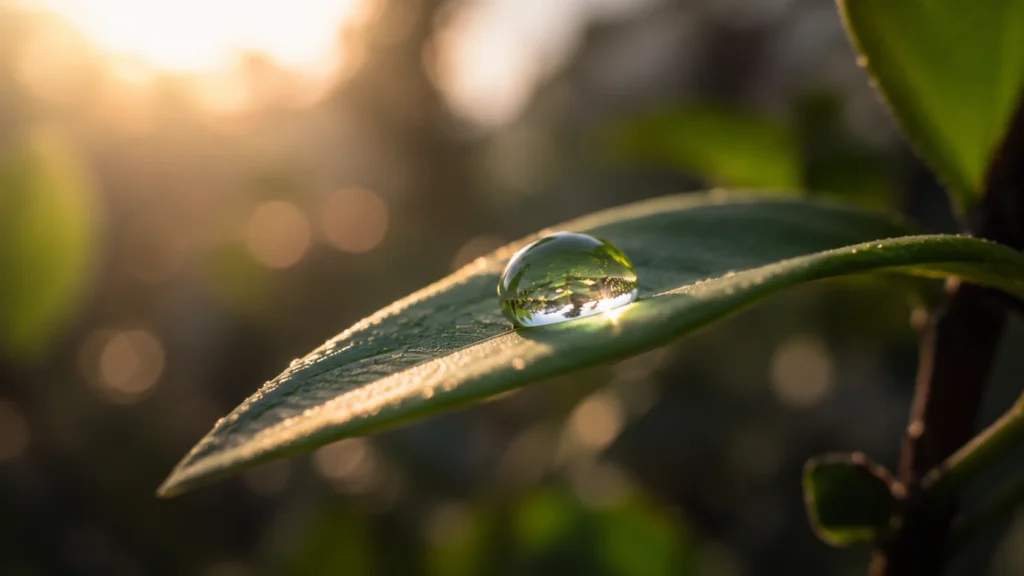
This guide explains what microbiology is, why it’s so important, and how the invisible microorganisms that inhabit our world are part of our lives all day, every day.
A Brief History of Microbiology as a Science
Long before anyone knew what microorganisms actually were, people already suspected something unseen was influencing illness and decay, even without the means to prove it. The invention of the microscope finally allowed scientists to directly observe this unseen world, revealing an entirely new realm of small living organisms constantly present all around us, and within us.
The field grew rapidly from there. Scientists began associating particular microbes with particular diseases, eventually leading to major advances such as vaccination and, later, antibiotic development. Others took a different route, focusing on the beneficial use of microbes in areas like food production, agriculture, and environmental processes, rather than viewing them only as a problem to be solved.
This dual legacy, understanding microbes as both a cause of disease and the basis of numerous essential natural processes, continues to shape microbiology practice today. This foundation has never been forgotten, and modern microbiology continues to build on it, studying organisms that, in many cases, are still not fully understood, using increasingly sophisticated tools.
What Microbiology Actually Studies
Microbiology is the science that studies microorganisms, life forms too small to be seen without a microscope. This includes bacteria, viruses, fungi, protozoa, and algae. While the term “germs” often carries a negative connotation, scientists know that most microorganisms are harmless, or even beneficial, to humans, animals, and the planet.
Microbiologists investigate the life, growth, interactions, and effects of these organisms on the world around them. Some specialize in studying disease-causing microbes, while others study microbes that help us digest food, break down waste, or support other everyday biological processes.
Why Experts Say Microbiology Matters More Than People Realize
If you ask a microbiologist about the importance of their field, you’ll often get some version of the same answer: microorganisms are all around us, and almost everything in biology happens because of microorganisms in one way or another.
Microbes serve as foundational pillars of digestion, immunity, and overall health. They’re vital to agriculture, contributing nutrients to soil and supporting plant growth. They play a key role in food production, including fermenting bread and cheese and brewing beer. They’re central to environmental recycling systems, breaking down organic waste. And they remain one of the most critical areas of research for understanding, preventing, and treating disease.
Put simply, microbiology isn’t a narrow specialty but one of the most basic disciplines in biology, involved in virtually every other science and aspect of life, even when it goes completely unnoticed.
The Microscopic World Inside the Human Body
The human microbiome, the vast collection of microorganisms inhabiting the human body, especially the digestive system, is one of the most significant areas of current microbiology research.
It has become clear that these microbial communities don’t simply hitch a ride. They play a dynamic role in digestion, the production of certain vitamins, training the immune system, and in some ways, even mental health and mood. This is why microbiome research has grown so significantly in recent years, since a disrupted or imbalanced microbiome has been linked to a range of health problems.
This shift in understanding, from viewing microbes as enemies to recognizing them as partners in human health, is regarded as one of the most significant developments in modern microbiology.
Microbiology in the Real World
Most people are exposed to microbes on a daily basis without ever realizing it.
Food and fermentation. Microorganisms are used in many common foods, such as bread, cheese, yogurt, beer, and wine, to help them ferment, rise, or develop flavor. These microbial processes are what allow food producers to consistently recreate the same product at scale.
Medicine. Many modern medicines, vaccines, and antibiotics exist thanks to microbiology research. Understanding the mechanics of bacteria and viruses is what allows scientists to develop medicine that targets them specifically and, in many cases, stops them from spreading.
Agriculture. Beneficial soil microbes help plants absorb nutrients, resist disease, and grow more efficiently. Much of modern agriculture is built around fostering these microbial relationships rather than working against them.
Environmental science. Microorganisms are a key part of breaking down pollutants, decomposing organic waste, and recycling nutrients within ecosystems. Certain bacteria are even used as tools in some environmental cleanup efforts.
Everyday hygiene. Understanding which microbes are beneficial and which aren’t shapes practical guidance around handwashing, food safety, and household cleaning, helping people prioritize where their efforts actually matter.
How Experts Approach the “Good vs. Bad” Microbe Question
One misconception that microbiology experts work hard to dispel is the idea that all microbes are harmful. In reality, only a small number of known microorganisms are disease-causing. The rest are neutral or genuinely beneficial.
This is often explained through an ecosystem framework: the human body and the environment both rely on complex microbial communities that need to function in balance. Problems tend to arise when that balance is disrupted, whether by illness, environmental factors, or the excessive use of things like antibiotics or antimicrobial products.
This is part of why many microbiologists caution against being too extreme in trying to eradicate every microbe from everyday surroundings. Some level of microbial exposure, especially in childhood, appears to be important for developing a healthy, well-regulated immune system.
Common Misconceptions About Microbiology
A few misconceptions continue to be held by the public, and many microbiologists work to correct them.
A common myth is that all bacteria are harmful. In reality, the human body hosts trillions of bacteria at any given moment, and most of them are either harmless or beneficial. Another misconception is that viruses and bacteria are essentially the same; in fact, they’re quite different in structure and function, which is why bacteria can be treated with antibiotics while viruses cannot. There’s also a common assumption that a “clean” environment is always a healthier one, when in reality, some exposure to microbes is a normal, and even beneficial, part of human biology.
Where Microbiology Research Is Headed
Many experts in the field believe several areas of microbiology will become increasingly important in the coming years.
One of the most pressing issues is antibiotic resistance, as some bacteria continue evolving to resist current treatments, driving the need for continued research into new antimicrobial strategies. Microbiome research is likely to keep growing as well, with scientists continuing to uncover links between gut bacteria and various health conditions, including mental health. Environmental microbiology is also gaining greater recognition, particularly through the use of microorganisms to address pollution, support sustainable agriculture, and help mitigate climate change.
Across nearly all of these areas, the common thread remains the same: microorganisms aren’t simply an isolated field of study, but are deeply linked to human health, food systems, and the environment as a whole.

Final Thoughts
Microbiology is the study of the smallest forms of life on Earth, yet according to the experts who spend their careers in this field, few other areas of science impact daily human life as much. The food on our plates, the medicine that heals us, the soil that sustains our crops, and the microbes that live within our own bodies, unseen life is all around us, quietly shaping our world.
Even a basic understanding of microorganisms offers a different way of seeing the everyday world, one shaped by an entire invisible ecosystem influencing health, food, and the environment, whether we ever notice it or not.
Frequently Asked Questions
What exactly do microbiologists study?
Microbiologists investigate microorganisms, including bacteria, viruses, fungi, and protozoa, examining how they grow, interact with each other, and impact human health, food, and the environment.
Are most microbes harmful to humans?
No. Experts stress that only a small number of microorganisms are disease-causing; most are harmless or even beneficial.
What is the human microbiome, and why is it important?
The human microbiome is the collective term for the microorganisms that inhabit and help maintain the human body, particularly the gut, playing a role in digestion, immune health, and even mental health.
Why is microbiology important in everyday life, according to experts?
Microbiology is one of the fundamental areas of biology, applied to food production, medicine, agriculture, environmental cleanup, and everyday human health.
Which areas of microbiology are considered most important for future research? Antibiotic resistance, microbiome research, and environmental microbiology are commonly cited as areas likely to become even more prominent in the near future.