Drone Tech Future: What to Expect

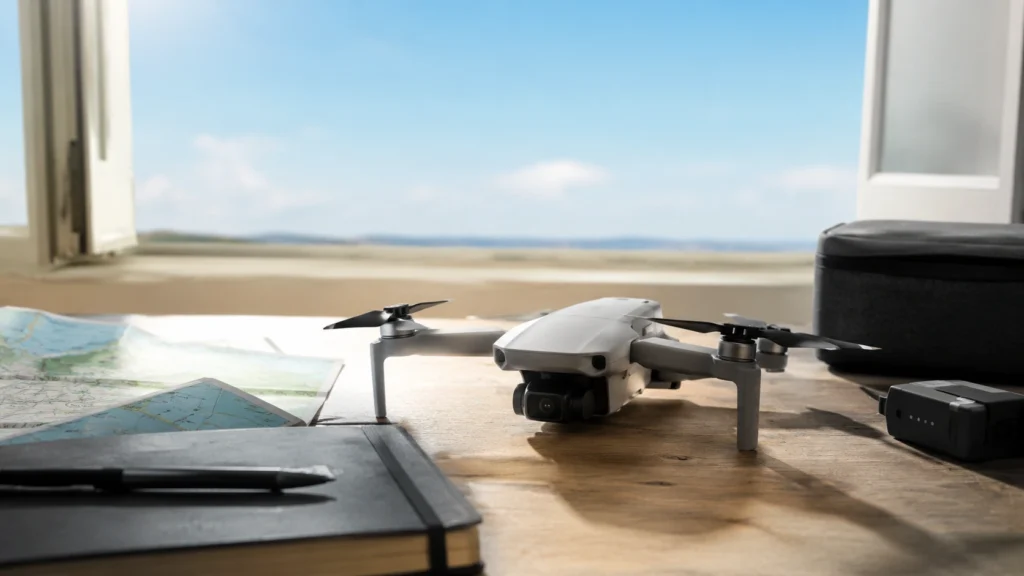
Just a few years ago, drones were out of reach for anyone except a select group of hobbyists and filmmakers, and they were expensive, complicated, and the stuff of science fiction. Today, they’re delivering packages, capturing wedding photos, inspecting rooftops, and monitoring farms. And this is really just the beginning.
This guide explains where drone technology is going, what’s driving that shift, and how it’s already subtly working its way into everyday life.
A Brief History of How Drones Arrived
It’s worth remembering that drones haven’t always been the streamlined, camera-carrying machines we know today. Unmanned aircraft technology didn’t reach consumers for many years, having originally been developed for military purposes. Drones weren’t small, stable, or efficient enough for the average person to fly until recent advances in miniaturized electronics, GPS accuracy, and battery life made it possible.
Consumer drone sales really began to surge in popularity once manufacturers developed lightweight frames fitted with built-in stabilization and simple app-based control. What used to require a helicopter or a professional film crew could now be achieved with a device small enough to carry in a backpack.
This evolution matters because it reveals a trend that will likely persist: as fundamental technologies like batteries, sensors, and onboard processing continue to advance, drones will keep becoming more useful, more accessible, and more integrated into everyday life than the drones that came before them.
What Is Driving the Future of Drone Technology?
A drone is a flying machine that can be controlled remotely or programmed to fly on its own. The core idea isn’t what’s changing so quickly, it’s what’s happening under the hood. Thanks to better batteries, smarter onboard computers, better cameras, and increasingly sophisticated software, drones are rapidly moving from a niche gadget into a genuinely useful piece of everyday technology.
Three trends are shaping the future of drones: longer flight times from improved battery technology, smarter navigation powered by AI and sensor systems, and evolving regulations that are gradually making it safer and easier for the general public to fly.
The Different Categories of Drones
Drones come in a variety of shapes and sizes, and understanding the primary categories helps explain the many directions the technology is taking.
The most common type is consumer drones, typically used for photography, video, and recreational flying. These prioritize ease of use, portability, and camera quality over raw power or extended range.
Commercial drones come in several forms, each designed for specific professional uses such as real estate photography, construction site surveys, and industrial inspections. They generally include more sophisticated sensors, longer flight durations, and software suited for accurate, consistent work rather than casual use.
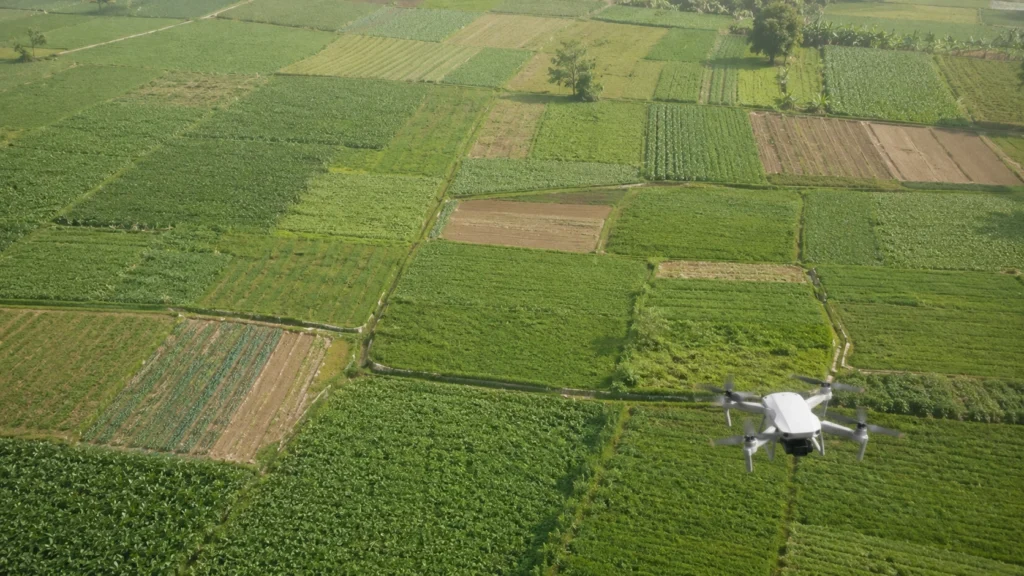
Agricultural drones are built specifically for farming applications, often fitted with multispectral cameras that can detect crop health problems invisible to the human eye, along with mapping software that helps farmers manage large areas efficiently.
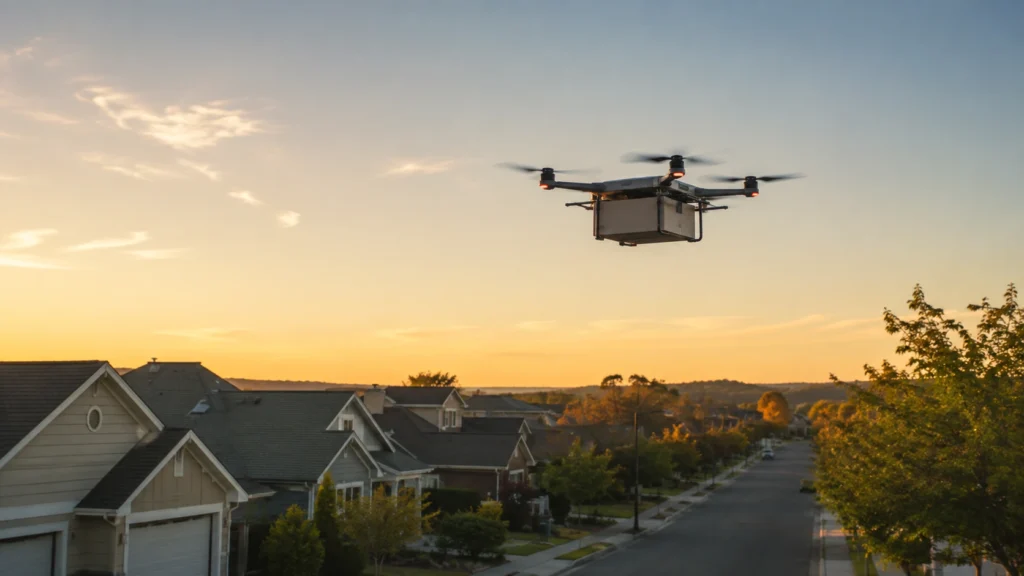
Delivery and logistics drones are one of the newer categories, designed to transport small payloads over short distances with a strong focus on autonomous navigation, obstacle avoidance, and route optimization.
Each category is developing at a different pace, but improvements in one area, such as battery range or AI navigation, tend to trickle across all of them over time.
Where Drone Technology Is Headed
Longer Flight Times and Smarter Batteries
The biggest current constraint on drones is battery life. A typical consumer drone only lasts about half an hour before requiring a recharge. With improved battery technology, flight times are expected to grow, allowing more footage to be captured, longer distances to be covered, and less time spent swapping batteries mid-project.
AI Navigation for Autonomous Flight
Newer drones can now detect obstacles, track subjects automatically, and in some cases even plan their own optimal flight path. This growing level of autonomy is bringing drones into areas such as package delivery, infrastructure inspection, and search-and-rescue missions, where precision is needed without constant human input.
Everyday Delivery and Logistics
In several sectors, drone delivery has moved out of the experimental phase and is being used at a greater scale to transport small parcels, groceries, and even medical supplies to hard-to-reach areas. As the technology matures, it’s likely that certain deliveries will become routine, particularly in suburban or rural settings.
Better Cameras and Sensing Technology
Camera and sensor technology is one of the areas where drones are advancing the most. Higher-resolution sensors, better image stabilization, and smarter auto-tracking are making more detailed shots possible, while improved obstacle-sensing technology is making flights safer and more reliable.
Expanding Real-World Applications
Beyond photography and delivery, drones are increasingly used in agriculture to monitor crop health, in construction to survey sites, in real estate to capture aerial property views, and in emergency response to assess disaster areas quickly and safely. As the technology evolves, these use cases are steadily making their way into new industries and everyday environments.
Applications of Drones in Everyday Life Today
If you’ve never flown a drone yourself, there’s a good chance you’ve encountered the technology without realizing it. Aerial photography and video tours are increasingly used in real estate listings. Delivery services in certain regions are already using drones for fast, short-distance deliveries. Drone imagery helps farmers identify irrigation problems before they’re visible from ground level, sometimes before they even fully develop. After natural disasters, emergency responders use drones to survey hard-to-reach areas. And smooth aerial shots, from birthday parties to travel vlogs, have become a common part of home videos, something that would have been far too costly to achieve just a few years ago.
This is a good sign of how far drone technology has evolved, from a niche gadget to something increasingly mainstream.
A Closer Look at Industry Applications
Agriculture. Farmers are increasingly turning to drone imaging to monitor crop health across large areas in a fraction of the time it would take to walk or drive the same space. Multispectral cameras can detect early signs of drought stress, pest damage, or uneven irrigation, allowing action to be taken before issues escalate.
Construction. On job sites, drones are used to capture aerial photos, track progress over time, and create 3D site models far faster than traditional methods. This is especially useful for large-scale projects with many sections, where manually inspecting each one would be tedious and expensive.
Real estate. Aerial photography and video tours are now a regular part of marketing larger properties, particularly those with significant land. Drones make it possible to show a property’s layout, surrounding landscape, and overall scale in ways that ground-level photography simply can’t.
Emergency response. Drones are frequently used after natural disasters to assess damage, locate missing persons in hard-to-reach areas, and send live video to response teams ahead of ground crews. This can significantly speed up early response efforts, especially in areas where roads have been damaged.
Logistics and delivery. As mentioned earlier, drone delivery is already functional in certain markets and is expected to expand further as regulations mature and autonomous navigation technology continues to improve.
The Role of Regulation in Drone Technology’s Future
As drones become more common, regulation is playing an increasingly important role in shaping their development. Many areas now have rules around registration, altitude limits, and flight restrictions, particularly near airports and populated areas, often depending on the weight of the drone.
Clearer rules are typically seen as a necessary step toward wider, safer adoption, especially as autonomous delivery drones and larger commercial operations become more common. Regulatory frameworks are expected to continue evolving alongside the technology itself.
This pattern is fairly typical for emerging technology. Early on, rules tend to be limited or inconsistent, not because they’re poorly designed, but because regulators haven’t yet had enough real-world experience to know exactly what guardrails are needed. As drones move further into commercial delivery, agriculture, and public safety applications, expect more standardized guidelines around flight paths, no-fly zones, and pilot certification, especially for larger drones or autonomous systems operating in shared airspace.
Popular Myths About Drone Technology
A few misconceptions continue to shape how people think about drones, and most of them are becoming increasingly outdated.
A common myth is that drones are too difficult for the average person to operate safely. In reality, most modern consumer drones come equipped with stabilization and safety features specifically designed to make flying easier. Another misconception is that drones are only useful for professional photographers or large companies; in practice, a growing number of everyday users, small farms, and local businesses rely on them as well. And some still assume drone delivery is purely experimental, when in several regions it’s already a functional part of daily logistics.
What This Means for the Future
Improved battery technology, autonomy, and camera systems are likely to make drones an even more ordinary part of everyday infrastructure, much like smartphones or GPS devices, which most people now use without thinking much about it.
For everyday drone users, this shift means easier flying, greater capability, and more real-world use beyond simple recreation. For sectors like agriculture, construction, real estate, and logistics, it likely means continued adoption as the technology matures and proves reliable at larger scales.
Final Thoughts
Drone technology is progressing quickly, and what was once a niche, futuristic gadget is rapidly becoming part of everyday infrastructure. With longer flight times, smarter autonomous navigation, better cameras, and a growing range of real-world applications, the future points toward drones having a much larger impact on daily life, from packages arriving at doorsteps to farmers monitoring their fields to emergency responders assessing disaster areas.
Understanding these shifts isn’t just technologically interesting, it also helps explain why drones are showing up in more places, more industries, and more everyday moments than ever before.
Frequently Asked Questions
How does the future of drone technology look?
Expect longer flight times, smarter autonomous navigation, wider delivery applications, and more capable cameras and sensors, all becoming more valuable and more woven into everyday life.
Why are drones becoming more important in daily life?
Advances in battery systems, AI navigation, and camera technology have significantly improved the reliability and usefulness of drones across sectors like real estate, agriculture, delivery, and emergency services.
Is drone delivery a reality, or is it still just a trial?
Drones are already being used to deliver small items, groceries, and even medical supplies in several markets, particularly in suburban and rural areas where reaching locations quickly by road is difficult.
What impact is drone regulation having on the technology’s development?
Clearer rules around registration, flight altitude, and restricted areas are enabling wider use and safer adoption of both autonomous and commercial drones.
Are drones limited to photography and videography?
No. Beyond being popular for personal and creative use, drones are increasingly utilized in agriculture, construction, real estate, delivery, and emergency response.