The Mind-Blowing Truth About Your Brain and Soul

Ever sat alone and wondered… what exactly is happening in your mind? Not the physical part, but YOU — the thinking, feeling, remembering, dreaming part? Perhaps it’s while commuting, on a late night, or one of those times when life seems to be moving too quickly and you want to get to know yourself better.
The good news is that this question doesn’t have to be answered at the high cost of a retreat, a life coach, or expensive self-help books. Brain-based research provides some of the most intriguing and counter-intuitive insights about the brain — and its enigmatic relationship to what we call the “soul” — and much of it is readily available.
This guide will walk through what brain experts really say about consciousness, intuition, and self-awareness, and pair it with simple, affordable strategies to incorporate these concepts into your daily life. There’s no need to overspend — only curiosity and a few savvy habits.

What Experts Say About the Brain and the “Soul”
For centuries, philosophers and scientists have been asking the question: are the brain and the soul one and the same, or do they work together? Although modern neuroscience hasn’t resolved this, the picture is now much clearer of what is happening biologically when we feel emotion, remember, and experience self-awareness.
Many neuroscientists think of consciousness as an emergent property of the brain — something that arises from billions of neurons firing in a coordinated way. Others are more open-minded, noting that although they can map brain activity, they still don’t understand why it feels like something to be you. This disconnect between what’s measurable and what’s experienced is referred to as the “hard problem of consciousness,” and it’s among the most debated issues in cognitive science.
Meanwhile, others believe that science and spirituality don’t conflict. They point out that experiences of awe, meaning, and connection — things often associated with the soul — activate certain identifiable areas of the brain. It could be that the soul is brain activity, or that the brain is simply the means by which something deeper is expressed.
The honest answer here is: there is no single “right” answer, and that’s okay. This is still a developing field, and that’s the beauty of the mind-soul question — it’s an exploration each of us can do for ourselves.
Neuroplasticity: How Your Brain Reshapes Itself
One of the most exciting discoveries in modern neuroscience is neuroplasticity — your brain’s ability to rewire and adapt throughout your entire life. Researchers once believed the fully grown brain could only change up to a certain age. Today, we know that isn’t true.
Your brain literally reorganizes itself every time you learn something new, break an old habit, or practice a different way of thinking. What you practice becomes stronger; what you don’t, grows weaker. The more you practice gratitude, learn a new skill, or try something different in your daily routine, the more it reshapes your patterns of thinking and feeling.
This is empowering, because it means personal growth isn’t just a mindset — it’s biological. You’re not stuck being who you’ve always been. Small habits can lead to big, measurable change.
There’s no need for costly brain-training courses to apply the benefits of neuroplasticity. Many habit-tracking apps are free and do the job nicely, while some meditation or focus apps offer seasonal promotions or free trial periods worth taking advantage of before paying for anything.
The Science of Intuition and “Gut Feelings”
Have you ever made a decision purely on a “gut feeling” and later found yourself right? There’s a non-magical explanation for this, and it has everything to do with the brain.
Intuition is often pattern recognition happening beneath the threshold of conscious awareness. Your brain is constantly processing information — from things you’ve seen in the past, subtle cues you pick up, or emotional memory — faster than your conscious mind can keep up with. What feels like a strange hunch may actually be your brain quietly making connections you don’t even realize you’re making.
This doesn’t make intuition any less valuable. In fact, understanding what causes it can help you trust it more purposefully, particularly in moments when there isn’t time for a fully analytical decision.
Journaling is one low-cost, easy way to connect with your intuitive voice. Keep a small notebook and note the times you followed a gut instinct, along with the outcome. Over time, you’ll start to notice patterns in your own decision-making. This doesn’t require a special guided journal — an ordinary notebook works just fine, and you may even find a good journal on sale at craft stores or online retailers during the holidays.
Everyday Ways to Support Brain Health (Without Overspending)
Understanding the brain is fascinating, but caring for it is just as important — and it doesn’t have to be complicated or costly.
Sleep is one of the most underutilized brain health tools. During deep sleep, the brain clears out waste products and organizes memories. Going to bed and waking up at the same time each day is free, but it can have a significant impact on concentration, mood, and long-term mental function.
Movement matters too. The brain benefits from exercise without requiring a gym membership — a walk, some stretching, or dancing around the living room can boost blood flow to the brain and help develop new neural connections.
Nutrition is also a significant factor. Omega-3 fatty acids, antioxidants, and healthy fats are associated with improved brain function and are found in foods like walnuts, blueberries, and leafy greens. You don’t need to overhaul your entire grocery list — even a few small changes at a time can help. When using an online grocery delivery service, check if they offer first-time customer discounts or seasonal promo codes, which can make better options more affordable.
Finally, managing mental clutter — by tidying your environment, limiting notifications, or setting aside quiet time — can help reduce stress and improve mental clarity. None of these actions are costly; they simply take intention.
Affordable Tools for Mindfulness and Self-Reflection
Mindfulness is all the rage right now, but at its core, it’s really about being present in the moment without judgment. Fortunately, you don’t need to join a pricey course to get started.
Free or inexpensive meditation apps are an excellent way to begin. Many offer beginner-friendly guided sessions, and some have limited-time discounts or student pricing that make premium features more accessible. If you do sign up for a paid subscription, it’s always worth doing a quick search for a promo code or seasonal sale — many wellness apps offer these throughout the year.
Simple breathing exercises are another free, effective tool. Even just a few minutes of slow, deep breathing each day can help trigger your body’s relaxation response and lower stress.
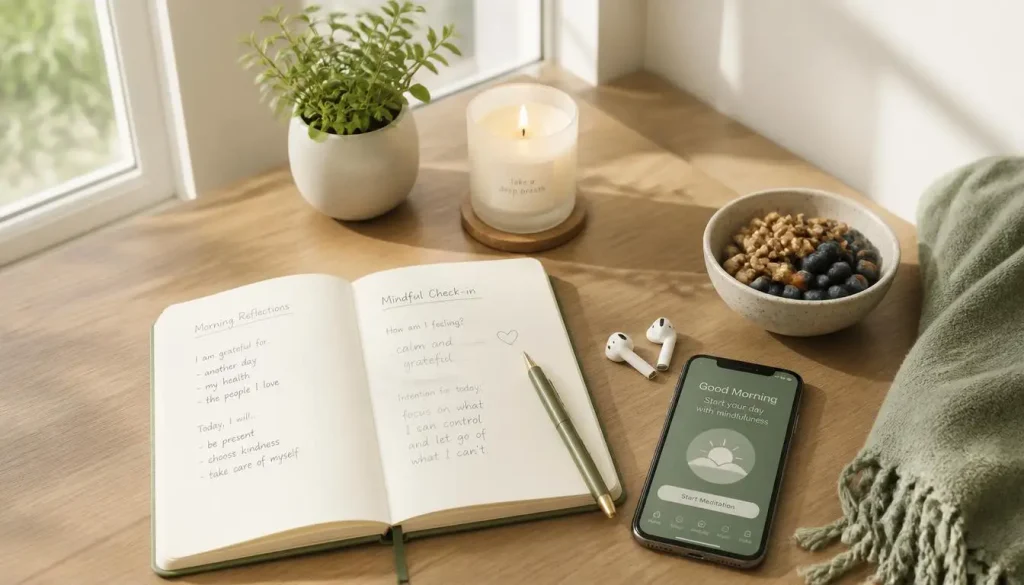
For those who prefer a more hands-on approach, try creating your own mindfulness toolkit at home: a journal for reflection, a small vision board for planning, or simply a candle to help with grounding during quiet time. These items are often sold at reduced prices through craft stores and home stores, particularly during reflection-rich times of year like New Year’s — a great opportunity to stock up.
Free and Low-Cost Resources to Learn More About the Brain
If this subject fascinates you, there are many ways to continue learning without spending much at all.
Several universities and online learning platforms offer free courses on neuroscience, psychology, and cognitive science. These are usually taught by top-tier researchers and provide a genuinely solid introduction to the subject, at no cost.
Your local library is another underrated resource. Beyond free book checkouts, many libraries provide access to digital learning platforms, audiobooks, and lecture series. For those who like to collect books themselves, secondhand bookstores and online marketplaces often carry neuroscience and psychology titles for much less than buying new — and it’s always worth checking for a discount code before purchasing.
Podcasts and YouTube channels hosted by reputable neuroscientists and psychologists are also excellent free resources. They’re a great way to build a “learning habit” during a commute, a workout, or a quiet evening at home.

Conclusion
The truth about your brain and soul is still unfolding. Scientists learn more every year, and there may never be one final, definitive answer. But that’s exactly what makes this such a meaningful area to explore. Understanding how your brain works, why you feel the way you do, and how small daily habits can meaningfully shape your mind isn’t reserved for people with big budgets or lots of free time.
Intentional living isn’t about spending more — it’s about making sure what you do each day aligns with what matters to you. Whether that’s a five-minute mindfulness exercise, a secondhand book on neuroscience, or a small journaling habit, these small steps can lead to meaningful, lasting change.
So start small. Choose one thing from this guide — try a meditation app, journal your inner voice, or focus on improving your sleep this week. Your brain, and your sense of self, will thank you.
Frequently Asked Questions
Are there scientific facts that prove whether a “soul” exists?
No, this remains a debated and unverified topic. While neuroscience can measure brain activity associated with consciousness and emotion, whether a “soul” exists outside of the brain is still an open question in philosophy and science.
Are habits truly responsible for changing your brain?
Yes. This is called neuroplasticity, and it’s well established in neuroscience. Over time, consistent habits — from learning new skills to practicing gratitude — can physically reshape neural pathways.
How can I start learning about neuroscience for free?
Low- or no-cost options include free university courses, library resources, and reputable podcasts or YouTube channels.
Is there truth to meditation apps helping brain health?
Yes. Numerous studies indicate that meditation and mindfulness can reduce stress and improve concentration. Many apps offer free versions, with paid upgrades available if you want additional features.
Which foods are good for the brain on a budget?
Walnuts, blueberries, and leafy greens are associated with improved brain function, and most are inexpensive and easy to find — especially when in season or included in grocery promotions.