Cosmic Radiation Explained Simply: A Beginner’s Guide

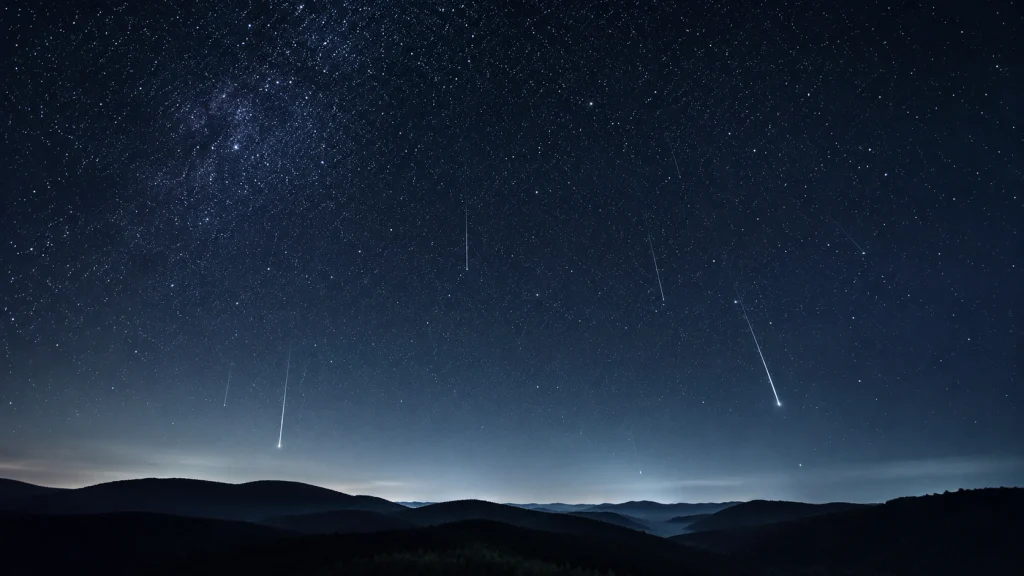
Invisible particles are constantly passing through the atmosphere, through our buildings, and even through us, without our ever noticing. This isn’t something out of a movie — it’s a real, well-studied phenomenon that scientists have been investigating for more than 100 years. It’s called cosmic radiation.
This guide explains exactly what cosmic radiation is, where it comes from, and why it matters, with no physics background required.
What Cosmic Radiation Actually Is
Cosmic radiation consists of high-energy particles, mainly protons and atomic nuclei, moving through space at extremely high speeds, some approaching the speed of light. When these particles enter Earth’s atmosphere, they collide with atoms, generating a cascade of secondary particles that continue traveling toward the planet’s surface.
While the word “radiation” can sound alarming, cosmic radiation is nothing like the radiation released during a nuclear incident. It’s simply high-energy particles passing through space — a natural phenomenon that existed long before life on Earth and continues around us every single day.
What Causes Cosmic Radiation?
Cosmic radiation comes from several different sources, generally classified according to how far away the source is.
Solar cosmic radiation originates from our own sun, released during solar flares and other periods of intense solar activity, when the sun emits bursts of high-energy radiation into space. Galactic cosmic radiation, by contrast, is believed to come mainly from powerful events like supernovas — the dramatic deaths of massive stars — located outside our solar system. Some cosmic radiation reaching Earth may even originate from sources outside our galaxy, having traveled enormous distances to reach us.
Cosmic radiation isn’t a single, simple phenomenon, since its various sources emit particles of differing energy levels and types, requiring different scientific techniques to study and understand.
How Cosmic Radiation Interacts With Earth’s Atmosphere
When cosmic radiation particles first strike Earth’s atmosphere, they typically collide with air atoms and molecules, especially oxygen and nitrogen, the atmosphere’s predominant gases. These initial collisions trigger a chain of secondary particles, sometimes referred to as an “air shower,” since the original particle’s energy gets distributed across many smaller particle collisions.
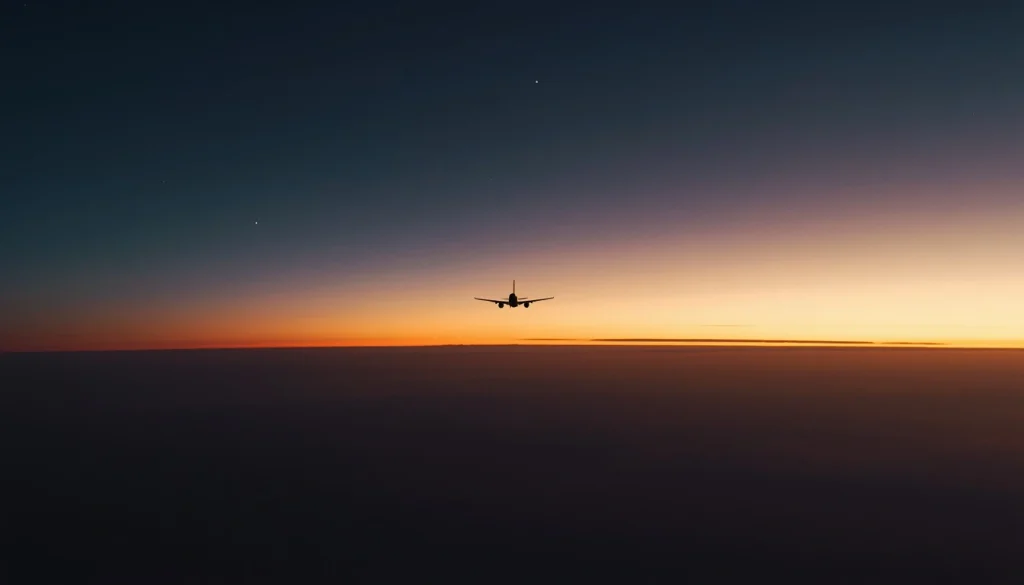
Earth’s atmosphere plays a genuinely significant role in this process, absorbing and dispersing a large portion of this radiation before it reaches the surface. As a result, cosmic radiation exposure is considerably higher at higher altitudes, where less atmosphere is available to absorb and filter incoming particles — a fact with real-world relevance for anyone flying long-haul flights.
Earth’s Magnetic Field Offers Extra Protection
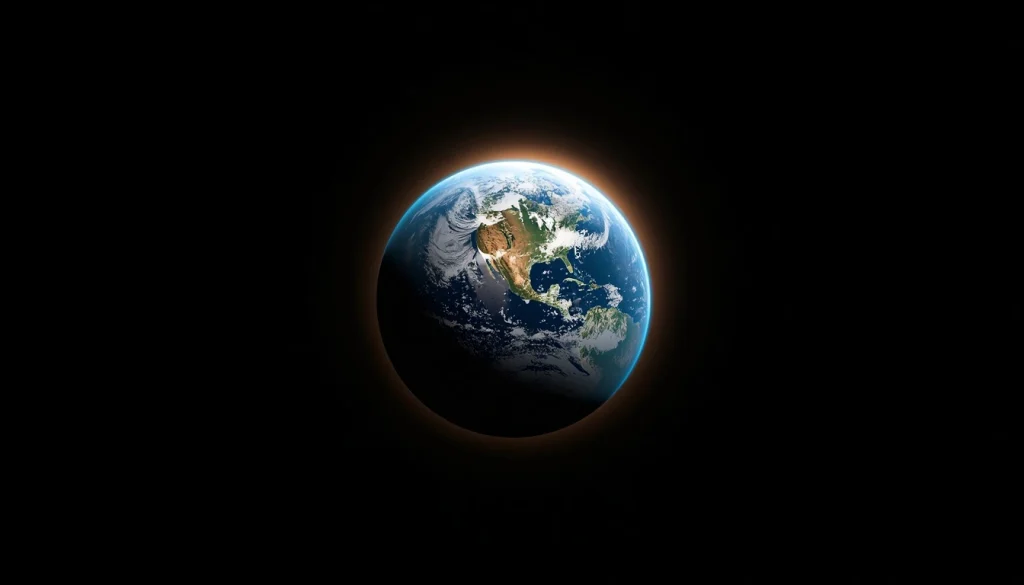
Earth’s magnetic field serves as another important barrier against cosmic radiation. Generated by the flow of molten metal in the outer part of Earth’s core, this magnetic field shields much of the incoming charged particles from ever reaching the atmosphere, particularly those with lower energy.
This protective effect isn’t evenly distributed across the planet, however. Cosmic radiation exposure is slightly higher near Earth’s magnetic poles, where the magnetic field’s protective effect is weaker, than in regions farther from the poles, where the field generally offers stronger protection.
Who Faces the Highest Cosmic Radiation Exposure?
Everyone on Earth is exposed to some level of cosmic radiation, but certain individuals face higher exposure due to their activities or environment.
Airline pilots and frequent flyers are among those exposed to higher levels of cosmic radiation, since they spend considerable time at altitudes where the atmosphere’s protective effect is reduced compared to ground level. Cumulative radiation exposure has long been a documented, seriously studied occupational concern within the aviation industry, and flight crews are actively tracked and managed in relation to this occupational exposure.
Astronauts receive by far the highest dose of cosmic radiation of any group, since spacecraft and space stations offer far less protection than Earth’s combined atmosphere and magnetic field. This is one of the serious challenges facing long-duration space exploration, such as crewed missions to Mars, carrying health implications that remain the subject of active research.
Protecting astronauts from radiation remains a work in progress, with spacecraft designers pursuing a range of strategies to limit exposure, including new shielding materials and mission planning designed to avoid areas of particularly high radiation. Radiation would become an even more significant factor in planning a future crewed mission to Mars, where astronauts would face far longer exposure than people on Earth’s surface, who remain protected by the planet’s magnetic field.
Why Scientists Study Cosmic Radiation So Closely
The study of cosmic radiation has numerous important scientific applications, extending well beyond simple curiosity about a natural phenomenon.
By studying cosmic radiation, researchers gain insight into extreme cosmic events, such as supernovas, that they otherwise couldn’t observe directly, helping them better understand conditions occurring elsewhere in the universe. This research also has practical applications in aerospace safety, helping scientists and engineers better understand and reduce radiation hazards for both airline crews and astronauts on increasingly ambitious space missions.
Cosmic radiation has also long been important to fundamental particle physics research, since many cosmic rays carry extremely high energy — sometimes exceeding anything human-built particle accelerators can currently produce. This makes cosmic radiation a genuinely unique natural laboratory for studying high-energy physics.
Research into cosmic radiation has also produced important, sometimes surprising scientific discoveries over the years. Studies of cosmic radiation were responsible for identifying several fundamental subatomic particles, which scientists were later able to produce and study using newly developed, purpose-built laboratory equipment. This history illustrates how studying a natural phenomenon can lead to previously unknown scientific findings, and continues to drive current cosmic radiation research today.
Does Cosmic Radiation Pose a Threat?
Most people living and working at ground level are exposed to cosmic radiation at levels that are very low and don’t pose a major health threat. The combined protection of Earth’s atmosphere and magnetic field reduces exposure to a level the human body has evolved to tolerate over an extremely long evolutionary period.
That said, specific groups with meaningfully higher exposure — frequent flyers, airline crew members, and especially astronauts — do face genuine concerns worth taking seriously. The health risks associated with prolonged exposure to higher radiation doses are real, which is why these groups are actively monitored, and why continued research into radiation protection remains a legitimate and important field, particularly as crewed space exploration continues to grow in both duration and scope.
Common Misconceptions About Cosmic Radiation
Several misconceptions about cosmic radiation persist, most of them overestimating the risk faced by the average person.
A common misconception is that ordinary people living at ground level face a significant, immediate health hazard from cosmic radiation. In reality, Earth’s atmosphere and magnetic field provide considerable protection, and exposure for most people at ground level is very low. Another misconception is that cosmic radiation is somehow related to radiation from nuclear power or nuclear weapons. In fact, cosmic radiation is a completely separate, natural process involving high-energy particles from space, entirely independent of nuclear technology or materials. A further common misconception is that cosmic radiation is a relatively new or recently discovered phenomenon. In truth, the study of cosmic radiation dates back to the early 20th century and is a well-established, thoroughly studied field of physics.
Final Thoughts
Cosmic radiation is a genuinely fascinating phenomenon, serving as a continual reminder that Earth is part of a much larger, active universe, one in which distant, dramatic cosmic events continually bombard our planet with high-energy particles. While this may sound alarming at first, the overwhelming majority of people remain effectively protected, enjoying very low exposure levels thanks to the atmosphere and magnetic field that have shielded Earth for millions of years.
Even without a background in physics, understanding cosmic radiation offers a deeper appreciation for the quiet, beneficial protections surrounding us every day, as well as real scientific insight into cosmic events, aerospace safety, and the fundamental laws of physics — all stemming from particles that began their journey somewhere beyond our own solar system.
Frequently Asked Questions
What are cosmic rays made of?
Cosmic radiation is composed mostly of high-energy atomic nuclei and protons moving through space at extremely high speeds, some approaching the speed of light.
Where does cosmic radiation come from?
Cosmic radiation is emitted by a variety of sources, including our sun during periods of high activity, as well as distant cosmic events such as supernovas occurring outside our solar system.
Does cosmic radiation pose a threat to people at ground level?
No, generally speaking. Earth’s atmosphere and magnetic field provide substantial protection, keeping radiation exposure very low for the vast majority of people.
Which groups face the highest cosmic radiation exposure?
Astronauts face the highest exposure, followed by airline personnel and frequent travelers, since spending time in the air or in space reduces the natural protection Earth’s atmosphere and magnetic field normally provide.
Why is cosmic radiation important to scientists?
Studying cosmic radiation helps scientists learn more about cosmic events occurring beyond Earth, improves aerospace safety for astronauts and flight crews, and enables research into high-energy particle physics phenomena that current particle accelerators can’t replicate.