Solar Power Technology: Life with Sun


The sun provides an almost incredible amount of energy to the earth every day — far more than is used by people in an entire year. For most of human history, that energy simply contributed to the planet’s heat and fueled natural processes such as photosynthesis. With solar power technology, a significant portion of that energy can now be captured directly to generate electricity for homes, businesses and even entire power grids.
This guide explains the physics behind solar power, the development of solar technology, and the implications of its growing use for how we produce and consume energy in the future.
What Solar Power Technology Is
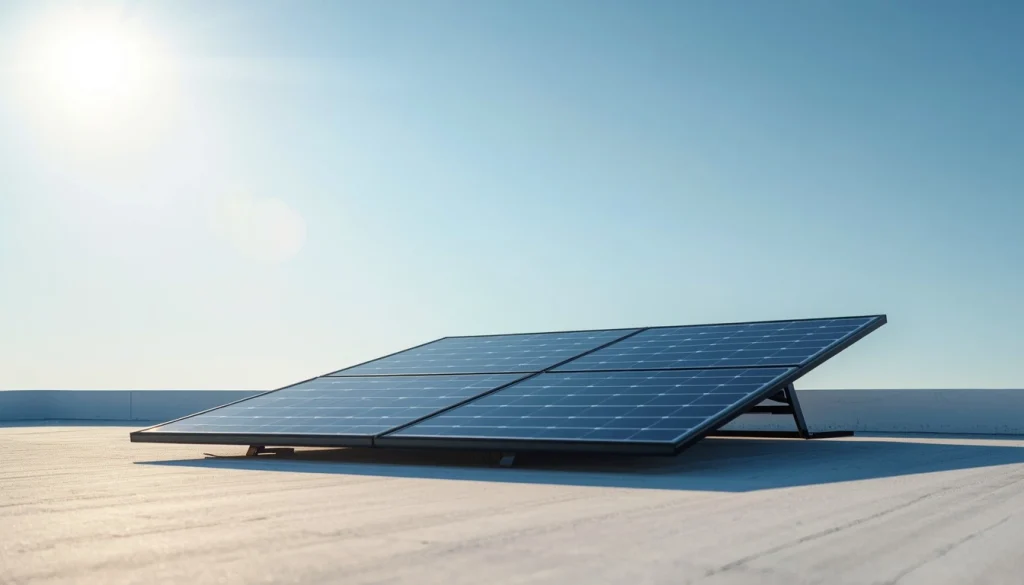
Solar power technology refers to a group of technologies that convert sunlight into energy, primarily electricity. The most well-known application is the solar panel, made up of individual solar cells designed to absorb sunlight and generate electrical energy.
Solar panels are the most familiar form, but other applications include solar water heating systems, which use sunlight to heat water directly, and large-scale solar power plants, which use mirrors to concentrate sunlight and generate electricity through heat rather than direct conversion. All of these approaches harness the sun’s energy in slightly different ways, but they share one common requirement: plentiful, daily sunlight.
How Solar Panels Convert Sunlight Into Electricity
The photovoltaic effect is the process used by most modern solar panels. Solar panels consist of thin layers of semiconductor materials, typically silicon, which release electrons from their atoms when exposed to sunlight, generating an electrical current.
This current is initially produced as direct current (DC) electricity. Since most homes and electrical systems run on alternating current (AC), solar panel systems include an inverter that converts the DC electricity produced by the panels into the AC electricity used in everyday electrical systems.
All of this happens silently and without moving parts, occurring continuously whenever sunlight is present. This is one of the reasons solar panel systems tend to require relatively low maintenance compared to other methods of generating power.
A Concise History of Solar Power Technology
The photovoltaic effect — the scientific phenomenon that allows solar panels to function — was first observed in the 1800s, though it took much longer to become a practical technology. The first silicon solar cell was created in the 1950s, but by modern standards its efficiency was very low and its cost very high, limiting its use to specialized applications such as satellites.
Over the following decades, solar panels became progressively cheaper as manufacturing techniques, materials science and efficiency all improved incrementally. This steady progress has reached a turning point where, in many parts of the world, solar energy has become a genuinely competitive energy source over just the last 20 years.
This wasn’t an industry that transformed overnight, but the result of decades of gradual research, development and manufacturing evolution — progress that eventually crossed a threshold of cost and performance capable of triggering a broader shift toward solar as a mainstream energy source.
Why Solar Panels Keep Getting More Efficient
One of the most important areas of solar technology advancement is efficiency — the amount of sunlight striking a solar panel that actually gets converted into electricity. While early solar panels could only capture a small fraction of available sunlight, modern panels have improved significantly, thanks to advances in materials and cell design.
Scientists continue to test alternative solar cell materials, including photovoltaics made from combinations of materials that are better at absorbing a wider spectrum of light wavelengths. As efficiency improves, less surface area is needed to produce the same amount of electricity — a significant advantage for anyone with limited roof or surface space, whether for a residential installation or a large-scale solar farm looking to maximize energy harvested from a given area of land.
The Role of Solar Power in Households and Everyday Life
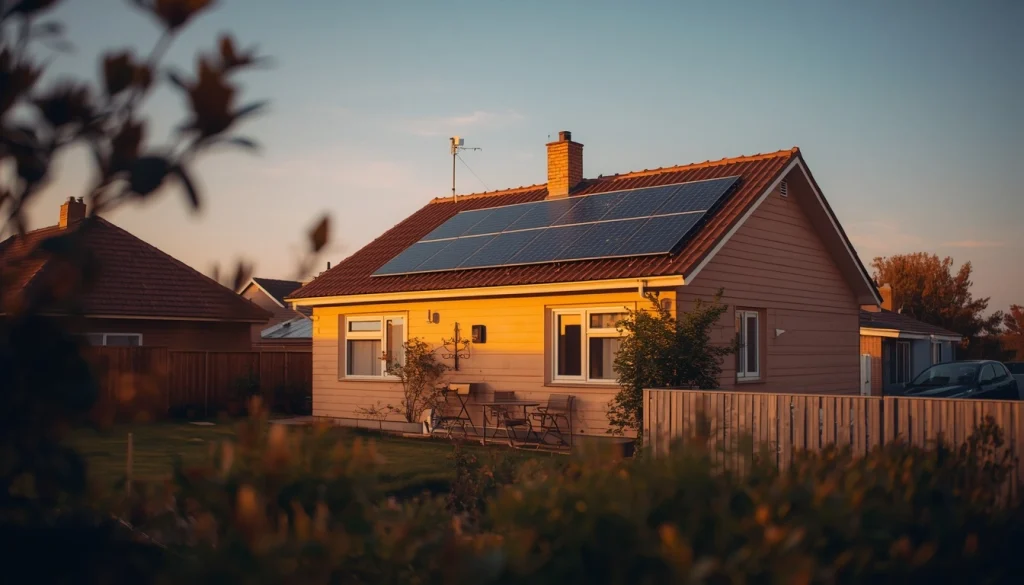
For homeowners, solar power usually means rooftop solar panel systems that reduce part or all of a home’s energy demand. These systems generate electricity during the day, which can power the home directly, with any surplus electricity fed back into the electrical grid — often earning credit on the homeowner’s electric bill, depending on local regulations and utility programs.
Many household solar systems are paired with battery storage, which stores energy produced during the day for use at night or on overcast days. This combination of solar generation and battery storage is becoming increasingly common, enabling more consistent use of solar power beyond just daylight hours.
Beyond electricity generation, solar water heating systems offer another practical application in homes, using the sun’s energy to heat water directly and reducing the energy typically required by traditional water heating methods.
Large-Scale Solar Power Plants and the Integrated Energy Grid
Beyond individual households, solar power technology is playing an increasingly important role at much larger scales. Thousands, even millions, of solar panels are now used together to supply significant power to electrical grids in many parts of the world.
These large installations benefit from economies of scale and can often match or beat the cost of conventional electricity generated from fossil fuels in many locations. Meanwhile, as grid-scale battery storage technology continues to advance, excess solar energy generated during the day can increasingly be captured and stored for later use — helping to address one of solar power’s biggest limitations: its dependence on daylight and favorable weather.
The Environmental and Economic Case for Solar Power
While the science behind solar panels is important, two interconnected factors are largely driving solar energy’s growing popularity: environmental impact and cost.
Solar panels emit nothing while generating electricity, unlike traditional fossil fuel power generation, which relies on burning fuel. While manufacturing solar panels does carry some environmental cost, research consistently shows that panels produce far more clean energy over their lifetime than the resources required to build them — making solar a net positive when evaluated across its full life cycle.
Economically, once a solar energy system is installed, its “fuel” — sunlight — is free and effectively limitless, unlike the ongoing fuel costs associated with conventional power plants. This is one reason why, despite the upfront investment involved, solar energy can be a more cost-effective option over the long term for homeowners, utilities and businesses alike, especially as solar panel prices continue to fall and efficiencies continue to rise.
Misconceptions About Solar Power
Several misunderstandings persist about solar power technology, and most of them don’t hold up well under scrutiny.
One common myth is that solar panels don’t work in cold or cloudy climates. In reality, solar panels can still produce power in cooler temperatures and even on cloudy days, though at somewhat lower efficiency than in direct, sunny conditions.
Another misconception is that solar panels require frequent cleaning or maintenance to keep working. In practice, most residential solar systems need very little maintenance, since rain naturally removes much of the dust and dirt that accumulates over time.
A third misconception is that solar energy is prohibitively expensive. In fact, the cost of solar panel installations has dropped significantly over the past 20 years, making solar increasingly affordable and competitive with other energy sources for both residential and commercial use.
Where Solar Power Technology Goes From Here
Solar technology continues to advance. Scientists are actively developing new solar cell materials that could convert sunlight into electricity more efficiently than today’s silicon-based panels, potentially offering considerably higher efficiencies in the future. Lighter, more flexible solar panels are also being developed for applications such as solar-powered portable electronics, as well as building materials with integrated solar power — including windows, roofing and walls.
Similar progress is expected in energy storage technology, which addresses one of solar power’s biggest challenges: reliably accessing electricity when the sun isn’t shining. As these technologies continue to advance together, solar energy is likely to become a more integrated part of the broader energy system, rather than functioning as a separate, standalone alternative to conventional power generation.
Final Thoughts
Solar power technology has matured from a costly scientific curiosity into one of the fastest-growing and most cost-competitive ways to generate electricity today. It offers a practical and increasingly efficient way to harness the sun’s vast, ongoing energy supply to power electrical grids, homes and businesses.
With continued improvements in efficiency, paired with advances in storage technology, solar power is set to become an even more integral part of how the world generates and consumes electricity — becoming steadily more familiar, and quite literally, more sun-driven than ever.
Frequently Asked Questions
How do solar panels convert the sun’s energy into electricity?
Through the photovoltaic effect, which produces an electric current when sunlight strikes certain materials. Solar panels are made of semiconductor materials, usually silicon, which generate an electrical current when absorbing sunlight — later converted into usable household electricity by an inverter.
Can solar panels work in cold or cloudy conditions?
Yes. Solar panels can still generate electricity in cooler temperatures and on cloudy days, though typically at somewhat lower efficiency than in warmer, sunnier conditions.
Is battery storage required for home solar energy systems?
Not always, but many homes pair solar panels with battery storage so that electricity generated during the day can be stored and used at night or on cloudy days, increasing energy independence.
Is solar energy still expensive compared to conventional energy options?
Less so than before. Solar panel prices have fallen dramatically over the past 20 years, and solar energy is now competitive with other forms of electricity generation in many areas.
What’s next for solar power technology?
Ongoing research is focused on improving solar cell efficiency, developing flexible and building-integrated solar materials, and advancing energy storage technology to make solar power even more reliable and central to future energy systems.