How EV Batteries Work: Smart Power Explained

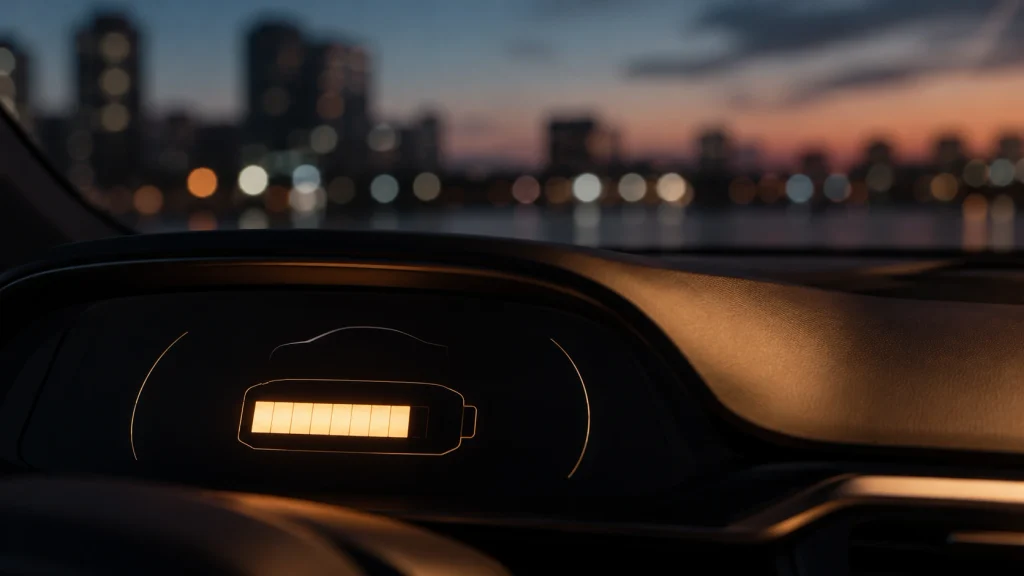
Every time an electric vehicle quietly rolls out of a driveway, navigates a highway, or charges overnight in a garage, the battery is a remarkably complicated piece of engineering working behind the scenes. People often think of an EV battery as one big battery, similar to an oversized version of a phone or laptop battery. In reality, it’s a complex system of thousands of individual cells, sophisticated software, and several layers of safety and temperature management, all operating together.
This guide explains the inner workings of EV batteries, why they’re fundamentally different from a car’s engine, and why “smart power” is an accurate description of the technology behind them.
What an EV Battery Actually Is
At its core, an electric vehicle battery is a large rechargeable energy storage system made up of numerous individual battery cells connected together. Most modern EVs are built on the same basic technology found in smartphones and laptops, lithium-ion batteries, but scaled up dramatically and engineered specifically for the demands of powering a vehicle.
An EV battery pack is made up of thousands of smaller cells, which are grouped into modules, and those modules are then combined to create a larger pack. This modular design allows manufacturers to optimize performance, safety, and repairability in ways that wouldn’t be possible if the entire pack were a single large component.
How the Battery Stores and Releases Energy
At a chemical level, a lithium-ion battery works by moving lithium ions between two electrodes, the anode and the cathode, through a liquid or gel-like material called an electrolyte.
During charging, electrical energy pushes lithium ions from the cathode to the anode, where they’re stored. Once the vehicle is running and drawing power, those ions migrate back across to the cathode, releasing energy in the process. This back-and-forth movement of ions is essentially how the battery stores energy when charging and releases it when powering the vehicle.
This process can occur thousands of times over the course of a battery’s life, which is one reason battery chemistry, materials, and design play such an important role in how long an EV battery ultimately lasts.
The Role of the Battery Management System
The battery management system, or BMS, is one of the most important, yet least visible, components in an EV battery. It’s essentially the “brain” of the battery, and it’s a major reason EV batteries are often described as smart power systems rather than simple energy storage devices.
The battery management system constantly monitors each cell’s voltage, temperature, and overall condition. It performs cell balancing, ensuring all the cells within the pack charge and discharge evenly, since even small differences between cells can affect performance and battery life if left unmanaged.
The BMS also plays a critical safety role. If it detects a cell overheating, malfunctioning, or behaving irregularly, it can adjust that cell’s operation or shut down that section of the pack to prevent damage or safety hazards. This system is what allows thousands of individual cells to work together safely and efficiently as one coordinated unit.
The Importance of Temperature Management
Temperature is one of the most critical factors in battery performance, which is why thermal management systems play such a crucial role in EV battery design. Batteries that get too hot may degrade faster or, in severe cases, pose safety risks. Batteries that get too cold will temporarily lose efficiency and charging speed.
To manage this, most EV battery packs are equipped with cooling systems, and in colder regions, heating systems as well, to keep the battery within an optimal temperature range. Some vehicles use liquid cooling systems, similar in concept to a car radiator, while others rely on air cooling or more advanced thermal management technology.
This is one reason range and charging speed can vary significantly in extreme temperatures, the battery management system is actively working to keep the battery healthy, sometimes at the expense of short-term performance.

How the Battery Pack Is Physically Built and Protected
Chemistry and software aren’t the only factors affecting EV battery pack performance and safety, the physical design of the pack matters significantly too. Individual cells are typically assembled into modules and housed within a larger, sealed enclosure that protects the battery from dirt, water, and physical damage.
This enclosure often forms part of the vehicle’s structure, and is frequently placed low in the chassis to lower the car’s center of gravity and improve handling. Many manufacturers also reinforce these enclosures at the points where individual modules meet, so that if a fault occurs or one module is damaged, it’s less likely to affect neighboring modules.
Crash testing, exposure to extreme temperatures, and puncture resistance testing are all common parts of safety testing for EV battery packs, reflecting just how much engineering goes into protecting the battery before it’s ever installed in a vehicle. This physical design works alongside the battery management system, adding another layer of protection, mechanical as well as software-based.
How Charging Actually Works
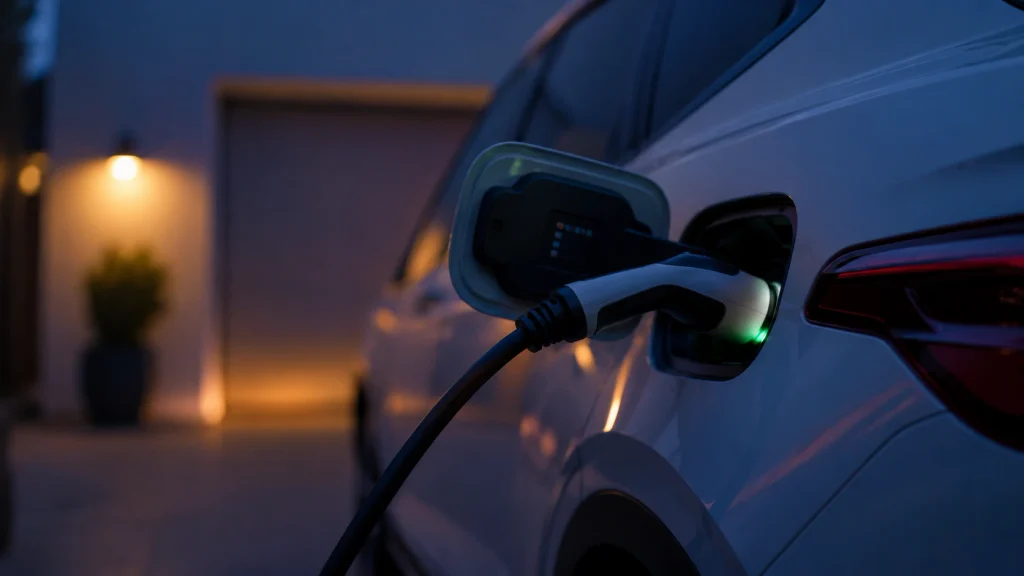
Charging happens when electricity from an external power source is converted into a form the battery can store, and the process varies depending on the type of charger used.
Level 1 charging is the slowest option and typically uses a standard home electrical outlet, generally best suited for overnight charging or gradually topping off the battery. Level 2 charging uses a dedicated, higher-voltage charging station, often found at homes or public charging locations, and significantly cuts charging time compared to a standard outlet. DC fast charging, commonly found at highway charging stations, can bring a battery to a high percentage much more quickly, though charging speed typically slows considerably as the battery nears full capacity, largely to protect the battery’s long-term health.
This slowdown isn’t a defect, it’s actually part of smart battery management, helping keep the battery healthy over time.
What Affects EV Battery Range and Longevity
An EV’s range on a single charge, as well as its overall battery life, depends on several factors.
Driving style plays a significant role, since aggressive acceleration and high speeds consume more power than steady, moderate driving. Range is also sensitive to temperature, as extreme heat or cold can reduce efficiency and increase energy demands for climate control or thermal management. Battery age matters too, since like all rechargeable batteries, EV batteries naturally lose some capacity over time, though modern battery management systems are specifically designed to minimize this loss.
Charging habits can also affect long-term battery health. Regularly draining the battery to very low levels or keeping it at 100% for extended periods can cause faster wear than staying within a more moderate charge range, which is why many EVs let drivers cap daily charging at a lower percentage.
Common Misconceptions About EV Batteries
A few misconceptions continue to shape how people think about EV batteries, and most of them don’t hold up well under closer examination.
A common myth is that EV batteries need to be replaced every few months, like a phone battery. In reality, most modern EV batteries are engineered and warrantied for many years and hundreds of thousands of miles, degrading gradually over time rather than failing suddenly. Another misconception is that an EV battery is essentially one large battery, when in fact it’s a complex system of thousands of individual cells working together under careful management. There’s also a common belief that cold weather permanently damages EV batteries, when in reality, cold temperatures typically cause a temporary reduction in range and charging speed rather than lasting harm.
Why “Smart Power” Is an Accurate Description
The term “smart power” fits EV battery technology particularly well, since much of what makes these systems effective comes from active monitoring and control rather than passive energy storage alone.
Through real-time cell balancing, continuous temperature monitoring, adaptive charging speeds, and built-in safety monitoring, an EV battery is constantly adjusting in the background to protect performance, safety, and longevity. This represents a significant departure from the largely mechanical control traditionally used in vehicle components.
The Future of EV Battery Technology
Battery technology continues to advance quickly, with ongoing research focused on improving energy density, charging speed, and overall battery life. Solid-state batteries, which use a solid material in place of a liquid electrolyte, are a particularly promising area, potentially offering improved safety, faster charging, and greater energy storage within a similar amount of space.
Improvements in battery management software are also expected to continue, enabling even more precise monitoring and control at the cell level. As these technologies mature, EV batteries are likely to make increasingly smart adjustments based on how and where a vehicle is actually used, improving efficiency, durability, and overall capability over time.
Final Thoughts
An EV battery is far more complex than it might seem, a coordinated system of thousands of individual cells managed by intricate software that oversees performance, temperature, and safety. Understanding how this system works helps explain its capabilities and limitations, including why charging speed changes near a full battery and why range can shift with the weather.
As battery technology continues to advance, this combination of chemistry, physical engineering, and smart, software-driven management is likely to remain at the center of how electric vehicles store, protect, and deliver power.
Frequently Asked Questions
How does an EV battery actually store energy?
EV batteries store energy by moving lithium ions between two electrodes during charging and discharging, a chemical process that allows the battery to hold and release electrical energy as needed.
What does a battery management system actually do?
The battery management system monitors individual cells for temperature, voltage, and health, balances charging across the pack, and helps protect the battery from unsafe conditions.
Why does EV charging slow down near a full battery?
Charging speed typically decreases as the battery approaches full capacity to reduce heat buildup and protect the battery’s long-term health, rather than indicating a problem.
Does cold weather permanently damage an EV battery?
No. Cold temperatures usually cause a temporary reduction in range and charging speed rather than permanent damage to the battery itself.
How long do EV batteries typically last?
Most modern EV batteries are designed to last many years and hundreds of thousands of miles, experiencing gradual capacity loss over time rather than sudden failure.