AI Robots 2026 Explained for Curious Minds

So every couple of weeks, there is a new box-lifting, walking, talking robot in the news. These stories can be overlooked in a way that seems like a future, high-dollar reality that’s nothing to do with your grocery money or your Sunday chore list. Now the thing is, many of us are already living with the initial waves of the humanoid robots future — from the smart plugs transforming home management to the AI speakers and automated vacuums. This change isn’t only for those with a robot butler, and it certainly doesn’t have to cost you an arm and a leg to take advantage of it.
That’s not a cautionary tale to begin saving money for a personal android, and it’s not a call to panic about robots taking over. It’s just a way to learn about the actual state of robotics, separate the reality from the hype, and make informed, well-timed purchases of the technology of today. This is your relaxed and reasonably priced introduction to a very energetic subject.

Where Are Humanoid Robots Now?
Remove the viral videos and the hype of the press releases, and this is the honest truth about humanoid robots in the year 2026: the technology is real, it’s progressing at an incredibly fast rate, and it still has a long way to go before it makes it from factories, warehouses, and research labs into living rooms. The biggest traction is being made with industrial deployment, with robots used for material transport, assembly, and order fulfillment in highly structured, repetitive environments — unlike a robot that could wash your clothes or take your dog for a walk.
A few companies have begun sending low-volume humanoid products directly into homes, but these are mostly experimental rather than widely available. Just like the first electric vehicle or the first flip phone, this is truly an amazing piece of engineering, but not something the average household will financially need to plan around. This distinction is important because it’s simple to fall into the trap of feeling urgency that isn’t really there in your everyday life, just because of flashy demo footage. Change in this industry is rapid — but “rapid,” in robot time, typically still means years.
What’s Near-Term vs. Far-Off?
When will humanoid robots become available to buy? If you’re one of those who thought a robot shop might open in your neighborhood soon, the answer is: not yet, and probably not soon. Commercial and industrial applications will continue to grow in the near term (the next one to two years). In factories, logistics centers, and specialized locations such as hospitals or elder-care facilities, companies will keep developing robots where the return on investment is more promising and the tasks are more controlled.
Five to ten years down the road is where real consumer adoption becomes more likely. That’s the point at which prices are likely to come down significantly, safety standards will keep evolving, and the technology will grow reliable enough for the unpredictable home environment. Until then, an “affordable home robot” is a long-term bet, not something to budget for this year. In the end, perhaps the one thing to take away from all this is that patience is genuinely a way to save money. As a general rule, early-adopter technology is expensive, has limited features, and has a high likelihood of being replaced within a product cycle or two. Waiting until price and features stabilize isn’t a missed opportunity — it’s wise and purposeful spending.
Industries and Daily Life Being Reshaped First
The sectors seeing the most humanoid robot activity are manufacturing, logistics, healthcare, and elder care, and here’s why: these industries involve repetitive physical work, labor shortages, and/or high-precision tasks where a consistent robotic assistant can actually help. As adoption increases, it can impact household budgets in a roundabout way — by changing the job market, the pricing of certain services, or the speed at which products move through the supply chain and finally onto store shelves.
Some fears about the impact of growing automation on jobs are valid and shouldn’t be ignored. However, as most economists and industry observers point out, this is a gradual shift rather than a drastic change, with new roles emerging around robot maintenance, oversight, and programming even as the repetitive-labor side of certain jobs is automated away. If this is something you relate to, it might be worth looking into upskilling courses or resources around tech and automation — not necessarily because change is imminent, but because staying flexible is always a great financial habit, robots or not.
Why Robot Prices Are Declining — And How It Will Impact Your Home
Here is where things become really relevant to your wallet. Humanoid robots are becoming more and more affordable, and that’s by design — a result of manufacturing scale, component competition, and swift iteration. The cost of the sensors, batteries, processors, and motors that power these robots continues to decrease as more companies enter the sector and compete for market share. It’s the same phenomenon that turned smartphones, laptops, and flat-screen televisions into far more affordable devices over the last twenty years.
What’s important for cost-conscious consumers is that these savings extend into other consumer technology too. Even when a gadget has nothing to do with humanoid robots directly, items like robot vacuums, AI-powered home assistants, smart cameras, and other automation devices often benefit from the same falling component costs. Which means that, rather than waiting for a walking, talking robot assistant to eventually pay off, you can already see this trend making its way into the smart-home aisle — and if you’ve been thinking about upgrading, now is a good time to look.

Smart Home Tech That’s Available Now
The idea of an all-powerful, fully independent robot in the home still sounds like a distant dream, but there are plenty of affordable smart-home gadgets on the market today that can genuinely make life easier. Product categories such as robot vacuums, smart plugs, programmable thermostats, and voice assistants are all mature and well-tested, with a wide variety of price points, including budget options that don’t skimp on usability.
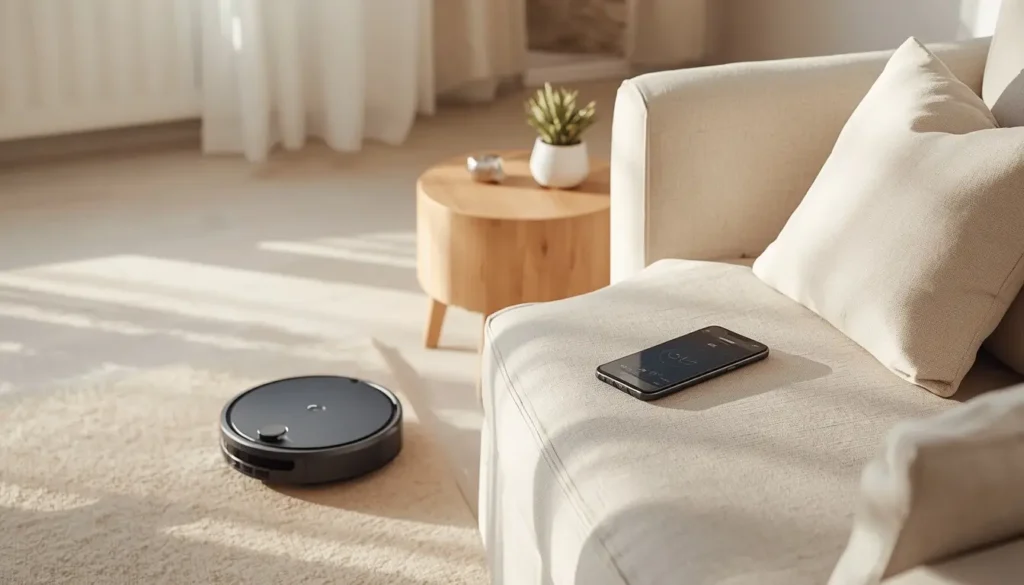
It helps to keep a clear distinction in mind between a robot vacuum and a “true” humanoid robot. One is a special-purpose tool designed for a specific task; the other is a general-purpose, still relatively new technology. Without recognizing that difference, you risk overpaying for hype, or assuming today’s cheaper gadget is somehow the “robot” of tomorrow. It’s always worth asking whether the smart-home item you’re considering solves a real problem in your daily life, or whether it’s more of a novelty purchase driven by curiosity. If it’s the former, this is truly one of the best times to shop: compare prices across a few stores before checking out, watch for sales or seasonal events, and look for cashback offers, promos, or codes before you buy. It’s also worth checking certified refurbished or open-box models — smart-home technology changes quickly, and last year’s units are frequently excellent at a steep discount.
How to Build a “Future Tech” Budget Without Breaking the Bank
In a rapidly evolving tech world, one of the most underrated financial habits is simply deciding, ahead of time, how much you can afford to spend on new technology each year — and sticking to it. Instead of buying something just because hype is building around it, you can set aside a small amount each month into a dedicated “future tech” fund. This does two things: it makes you less tempted to spend on non-essentials out of FOMO, and it means that when a genuinely useful, well-priced piece of technology does come along, you’ll be able to afford it without derailing your budget.
This approach fits neatly into a philosophy of intentional living — making purchases based on true value and the right timing, rather than urgency or marketing pressure. It’s a small shift in mindset, but it can make a real difference to both your wallet and your peace of mind, since you’ll no longer feel pressure to chase every new release out of fear of missing out.
Companies and Trends Worth Watching
A handful of major companies are currently shaping the future cost and availability of humanoid robots, ranging from industrial giants to specialized robotics startups to consumer electronics manufacturers experimenting with early home models. Rather than treating this as a buying guide, it’s more useful to think of it as a space to follow casually — the same way you might follow EV news without planning to buy a car this year.
For those who enjoy staying ahead of trends, now is a good time to build simple price-monitoring or deal-alert habits, even for purchases that have nothing to do with smart-home tech. By building that habit now, you’ll already be ahead of the curve once humanoid robots — or any other major new technology category — reach a price point that makes sense for the average household.
Conclusion
The humanoid robots future is here, but not yet everywhere, and home adoption is still arriving industry by industry. That means there’s no urgency to spend, no gadget you need to feel behind on buying, and no pressure from headlines built to generate clicks rather than inform. The takeaway is refreshingly simple: apply smart, strategic shopping habits to what’s actually available and useful right now — robot vacuums, smart assistants, and other affordable upgrades — while staying relaxed about where the bigger trend is headed.
You don’t need to be constantly worried, and you don’t have to miss out just because you’re saving money. If you stay curious about where technology is going, and patient about when to actually buy in, you end up in the best possible position: a comfortable, modern home and a budget you’re still fully in control of. The future may be automated, but your spending decisions don’t have to be reactive.
Frequently Asked Questions
Will average families soon be able to afford humanoid robots?
Not in the near future — meaningful consumer affordability is more likely a five-to-ten-year outlook rather than something to budget for anytime soon.
Which jobs will humanoid robots take over first?
The earliest automation is happening in physically demanding, repetitive jobs in manufacturing and logistics, but most experts describe this as a gradual process rather than a sudden wave of job loss.
Is it worth investing in smart home products now, or should I wait?
If it’s a gadget that solves a real daily need and fits your budget, now is a reasonable time to buy — just compare prices, watch for sales, and consider refurbished options first.
What’s the difference between a robot vacuum and a humanoid robot?
A robot vacuum is a single-purpose machine built for one task, while a humanoid robot is a still-developing, general-purpose technology.
What’s the best way to stay informed without falling for hype or scams?
Stick to trusted technology and business sources, be wary of pre-order schemes for consumer robots that aren’t yet available, and ignore overly salesy language.