Latest Discoveries and Updates in Solar Power Technology

Ever looked at your electric bill and wondered “there has to be a better way”? You’re not alone. The idea of solar power seemed like something for wealthy individuals with a spare $20,000 and a south-facing roof, which is why it’s been such an attractive theory for a long time, but not a viable reality for many. The good news? That is changing quickly — quicker than the vast majority of people realize.
A full rooftop system doesn’t necessarily have to be the way to get the advantages of solar technology going. In this guide, we’ll cover the largest solar innovations of 2026, break down their real-world implications for your wallet and lifestyle, and highlight low-risk, low-effort methods to integrate a bit of solar power without going over budget or overhauling your home.

Solar Technology Is Accelerating More Than Ever, and This Is the Reason
In the past 5 years, solar hasn’t just improved a little — it has truly transformed. A larger portion of sunlight is becoming usable energy, and the efficiency of panels has improved significantly. Materials that used to take more energy to make are being replaced with a less expensive and simpler process. Solar is moving beyond the glass panels of a roof into flexible materials, portable chargers, and even home décor.
This is important because it marks a change in the audience for solar power. It is no longer just for large homeowner projects or utility companies. It’s slowly turning into something that can be accessed by renters, students, and even regular budget-conscious families, bit by bit.
Perovskite & Tandem Solar Cells
Perovskite is the term to keep an eye on in 2026. It is a crystal-based material that is more easily made and less expensive than traditional silicon, and it absorbs a broader spectrum of sunlight. That’s a good improvement by itself. The real excitement begins with “tandem cells,” however, which feature a thin layer of perovskite over silicon to harness even more of the sun’s energy.
In the real world, this pairing has advanced efficiency to levels that would have seemed unthinkable just a few years ago. For the future homeowner, higher efficiency means more energy produced from the same roof area — which could reduce both the size and expense of the solar system.
Perovskite technology is a relatively new commercial technology, it should be noted. Long-term durability data is still being collected, and for the time being, traditional silicon panels are still used instead. Still, it’s a clear sign of the industry’s trajectory — and another indicator that solar will continue to get more efficient, and more affordable, in the years to come.
More Power From the Same Space
One more major change is the rise of bifacial solar panels — panels with solar cells on both sides. These panels capture light reflected from the ground, nearby surfaces, or rooftops, in addition to direct sunlight. This additional capture can result in a significant increase in energy production compared to earlier single-sided designs.
A once high-end, niche product is now the standard in much of new construction. If you’re evaluating solar, this is great news: higher-output panels can reduce the total number of panels required, which can help offset installation costs.
When you’re weighing solar installation quotes, don’t hesitate to inquire about any current promotions or bundle pricing. Many companies offer seasonal promotions, and quickly comparing rates across a few providers can help you understand the difference in what you end up paying.
Flexible, Thin-Film, Portable Solar Panels Are All the Rage for Everyday Life
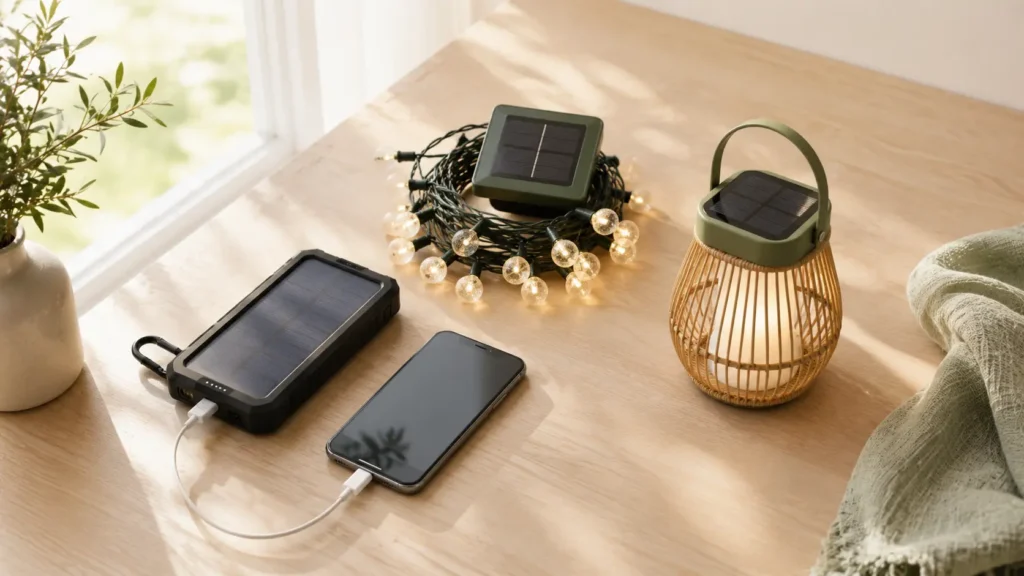
Some people don’t have a roof to work with — and that’s where some of the most exciting (and accessible) solar innovation is taking place. The flexibility and thinness of new solar materials have given rise to a whole new class of portable devices: roll-up solar chargers, backpacks fitted with solar panels, lightweight portable power stations, and travel-friendly solar panels.
These can be particularly helpful for:
- Outdoor trips and activities
- Power outages and emergency preparedness
- Charging devices on the move without needing the electric grid
- Living in a space, such as an apartment or rental, that doesn’t have roof access
This category is perhaps the simplest and lowest-cost method of enjoying solar power’s benefits directly. Because these products are offered everywhere, it really pays to take some time before purchasing to compare prices. Portable solar products often see special discounts during certain periods of the year, such as the summer travel season, Earth Day events, or seasonal clearances, so it helps to be patient and shop around.
Smarter Batteries: Solar After Dark
A question that has been asked about solar energy for a long time is: what about the “sun down” problem? The answer to that is much stronger in 2026 than ever before. Battery technology has come a long way: longer-lasting lithium-ion batteries are now standard, and newer options, such as sodium-ion batteries, are beginning to appear, with the promise of being cheaper in the future.
This is significant because, alongside generation, storage is just as vital. By combining a solar system with good battery storage, you can collect low-cost (or free) energy during the day and use it at night, when prices are usually higher. That change alone can significantly reduce a household’s energy bills over time, without any special deal or purchase. It’s simply a more efficient use of the power you already have.
AI-Driven Monitoring: Solar & Smart Budgeting
If you’ve ever used a budgeting app to keep track of your expenses, you’ll feel right at home with the next wave of solar technology. New solar systems increasingly feature AI-based monitoring systems that analyze energy generation, predict your home’s consumption habits, and optimize when the battery is used to shift your power usage away from the most expensive rates and toward times when the sun is shining.
It’s really just a personal finance tool — but for your energy. If you already have a solar system, it’s worth checking whether a free or lower-cost monitoring app will work with your system before purchasing an expensive one. For new installations, ask companies whether the system comes with smart monitoring included, or if there’s a discount option available, as many companies offer smart monitoring as an extra in their promotional packages.
Solar Energy for Your Home and Budget – The Best Solar Solutions Now
Not ready for a whole system? You don’t have to be. Solar technology has been quietly making its way into small, affordable upgrades for your home that let you dip a toe in the water without making a big investment.
- Solar-powered garden and pathway lights
- Window film for passive charging of light loads by the sun
- Decorative solar accents, such as small fountains or accent lighting
- Solar-powered outdoor string lights for patios and balconies
These are great for renters, apartment dwellers, or anyone looking to try out solar living without a large investment. Additionally, these products are found in the home decor and garden categories of most online retailers, which is why they’re often included in seasonal deals — especially in spring, around Earth Day, and in summer when it comes to outdoor-living items. With just a quick browse across several retailers, or a scan for the latest promotional codes, you can turn a good deal into a great one.
What’s Not Ready for Prime Time
In the interest of fairness: not every solar innovation making the news is ready to buy today. Perovskite panels, for example, have yet to be proven for long-term durability and haven’t been formally structured for warranties, so most installers are still recommending traditional, proven silicon technology for home projects at this time.
Don’t feel like you’re missing anything. If anything, it’s a good reminder of the value of patience. These technologies will continue to evolve, grow in scale, and become cheaper — a positive development for both short-term and long-term buyers.
Conclusion
While technology is advancing rapidly, that doesn’t mean you need to completely remodel your home or your budget to join in. Whether it’s a portable charger for your next trip, a couple of solar garden lights, or simply learning how battery storage can reduce your energy bill, these are all great ways to make solar more personal and less pressured.
The same rule applies to any smart purchase: buy it when it’s on sale or when there’s a promo code available. Environmentally conscious living and economical living aren’t mutually exclusive — combined with a little research and good timing, they work really well together.
Frequently Asked Questions
Is solar energy becoming cheaper?
Yes, typically. Costs for new manufacturing methods, such as perovskite, are decreasing, though not rapidly.
Which solar panel is the most efficient?
The efficiency records belong to tandem perovskite-silicon cells, but commercially available panels are still a bit behind those numbers.
Are there other options for solar power if I’m renting or don’t have roof access?
Yes — portable chargers, solar decor, and in some areas, community solar programs are all ways to use solar power without owning your roof.
Is it worth investing in solar-powered gadgets?
They can be a very practical and low-risk way to try solar power, particularly in situations like traveling, camping, or power outage preparedness.
Should I wait for newer solar panel technology before investing?
It’s subjective — weigh current incentives and savings against potential future technology and price reductions; there’s no single “right” answer.