Mobile App Development: The Future Outlook and Why It Matters

Almost every aspect of life has been transformed by mobile apps — from banking, shopping, and communication to entertainment and fitness — all squeezed into a small icon on the screen most people look at dozens of times a day. However, the mobile app development industry is a constantly changing one, influenced by changing technology, users, and the crowded digital world. Gaining knowledge of the direction mobile app development is heading helps you understand how the apps you use daily will evolve in the coming years.
This guide dissects the trends shaping the future of mobile app development and why they matter, both for developers and for consumers.
Why Mobile App Development Keeps Evolving
There are numerous reasons why mobile apps keep changing so much. Mobile app development is no exception to the rule that it is influenced by wider technological trends, changing user expectations, and growing competition in the app marketplace. The tools, techniques, and priorities that drive app development evolve right along with the rest of technology.
This constant evolution isn’t merely about keeping developers occupied — it has implications that go well beyond that. These trends matter not only for developers and businesses, but for anyone who uses a mobile device regularly, since they directly shape the direction mobile apps take.
Key Trends Shaping the Future of Mobile App Development
Deeper AI Integration
AI is increasingly being integrated into apps. One of the most notable trends on the horizon for mobile app development is the more seamless integration of AI into the core operations and features of mobile applications. It is no longer a standalone feature but a seamless and integral part of the overall application, driving personalized content recommendations, intelligent search capabilities, and increasingly natural and sophisticated chatbots for customer support.
AI is also impacting the development process itself, not just user-facing features. AI-powered coding assistants are gaining traction, supporting developers with coding, testing, and debugging, which can significantly improve development efficiency and enable smaller teams to achieve far more than traditional coding methods and tools allowed.
The Growth of Cross-Platform Development
The decision of whether to go with native development — creating separate apps for iOS and Android — or cross-platform development, where you write once and run anywhere, is still being debated, largely because cross-platform frameworks are steadily becoming more mature and capable.
Over the past decade, cross-platform tools have reduced much of the performance gap with native apps, though for a truly high-performance or polished user experience, native development is still often the better choice. Over time, these frameworks will continue to improve, and cross-platform development will become the more common standard for most types of applications, with native development reserved for apps that need the absolute best performance or a very close association with the device’s hardware features.
Increasing Personalization
Apps are getting more and more customized. Expectations around personalization continue to rise, and mobile app development is following suit. Instead of delivering a uniform experience to every user, modern apps increasingly use user data and AI-driven insights to tailor content, recommendations, and even core functionality to real preferences and behavior patterns.
This trend goes beyond simply suggesting content. Apps are increasingly built to respond to how each individual user actually experiences them over time — if you use an app one way, it adapts to you in one manner; if you use it differently, it responds differently. This makes the experience far more intuitive and relevant than the generic, one-size-fits-all app designs that were common in earlier years of mobile app development.
Growing Focus on App Security
App security is becoming an increasing priority. With mobile apps now at the center of handling sensitive personal information — financial or health-related — security has become integral to the entire app development lifecycle, not just a final step before release.
“Security by design” is the approach of embedding security at the very inception of the development process rather than treating it as an afterthought. This is both a response to growing regulatory demands for data privacy in many jurisdictions, and to a real rise in user awareness and concern about how their data is collected, used, and protected by the apps they install and use frequently.
This emphasis extends to authentication and account access as well. Biometric authentication — fingerprint-based or facial recognition — has become commonplace rather than a mere add-on. It’s now built into apps with growing confidence that it serves a purpose beyond extra security: it also makes usage more convenient for the user.
The Rise of Progressive Web Apps
Progressive web apps continue to grow in importance — apps designed specifically for the web that provide many of the features and capabilities of a traditional app without requiring users to download and install anything from an app store, with offline functionality and push notifications as key features.
This has real value in certain contexts, since it can reduce development complexity through a single shared codebase usable on virtually any device with a modern web browser, while avoiding the hassle of downloading a full app before accessing key features. As this technology keeps evolving, the line between websites and traditional mobile apps will continue to blur across an even broader range of use cases and app types.
Wearables and Expanding Device Ecosystems
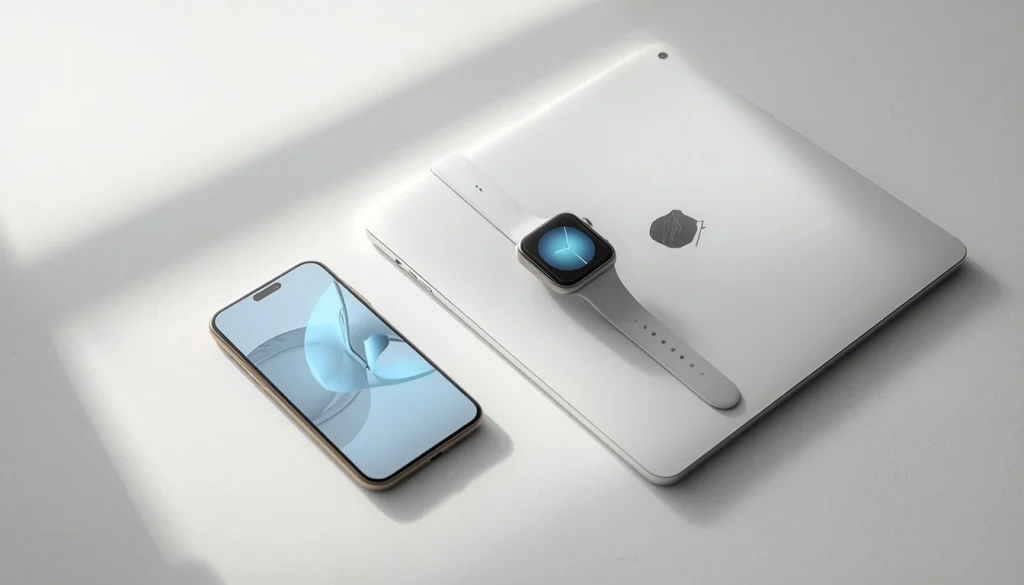
The mobile app development market is also growing beyond a narrow focus on smartphones and into a more complex, expansive connected ecosystem that includes smartwatches, fitness trackers, and more. This expansion requires developers to think beyond the smartphone screen and create app experiences that work seamlessly and effectively across a wide range of device types and screen sizes.
As wearables and other “connected” devices proliferate, mobile app development needs to focus more on cross-device integration — not treating the smartphone app as a standalone product separate from the rest of a user’s devices, but as part of a much more seamless overall experience.
This shift also has significant implications for app design itself. A design conceived with the full multi-device ecosystem in mind from the outset tends to yield a far more cohesive, integrated experience across a user’s entire toolkit of connected devices, rather than building an iPhone-only UI and later trying to adapt it for smaller screens.
How These Trends Could Affect Businesses
Being aware of these industry trends is more than a vanity project for businesses building mobile apps — it’s a real, practical business value proposition. Apps that fail to adapt to changing user expectations around personalization, security, and performance will lose users to apps that adapt better.
At the same time, companies need to weigh the actual advantages and disadvantages of new development strategies and technologies, and be judicious about which ones to adopt. Implementing every new trend isn’t always the right move — it depends on the specific users of a given app and the business objectives it aims to meet.
Common Misconceptions About the Future of Mobile App Development
Several misunderstandings tend to paint an oversimplified picture of where mobile app development is heading.
One popular misconception is that cross-platform development will eliminate the need for native app development altogether. While cross-platform tools are improving significantly, there are still cases where developing natively makes more sense — for maximum performance or especially deep hardware integration.
Another misconception is that as AI becomes more involved in app development, less human effort and expertise will be needed. In practice, while AI tools support developers with more efficient workflows, human judgment, creativity, and expertise remain vital throughout the broader app development lifecycle.
A third misconception is that progressive web apps will completely overtake traditional native apps. While PWAs offer real benefits in certain circumstances, traditional native apps still hold clear advantages for applications that demand the deepest device integration or the highest performance standards.

Final Thoughts
The landscape of mobile app development is constantly changing — artificial intelligence is being embedded more deeply into the development process, cross-platform tools continue to mature, expectations for personalization keep rising, and a vast array of connected devices beyond smartphones keeps emerging. These changes matter not only for developers and businesses trying to navigate a fast-moving, competitive environment, but also for the millions of people using these apps every day, often without realizing the complexity and constant change driving them behind the scenes.
With all these trends developing concurrently, the mobile app landscape is set to keep delivering more personalized, more secure, and more seamless experiences — further cementing mobile apps’ ever-changing place in everyday life.
Frequently Asked Questions
What is the impact of AI on the development of mobile applications?
AI is becoming more pervasive in how apps function, powering deeper personalization and intelligent features, while also helping developers write and test code more efficiently.
Will cross-platform development completely replace native app development?
Not entirely. Cross-platform development has improved a great deal, but for apps that need maximum performance or deep integration with specific device hardware, native development still has real merit.
How are Progressive Web Apps (PWAs) different from traditional apps?
PWAs deliver many app-like capabilities through a browser and, unlike traditional native apps, don’t require downloading from an app store — though native apps still offer deeper device integration.
Why is app security becoming an increasing priority in development?
As apps handle more sensitive personal information, developers are building security into the earliest stages of development, driven both by regulatory demands and by users’ growing privacy awareness.
What impact are wearable devices having on mobile app development?
As more apps are built to work seamlessly across a user’s full device ecosystem, the idea of mobile apps as separate, standalone products distinct from other devices is fading.