Flying Car Technology Explained Simply: A Beginner’s Guide

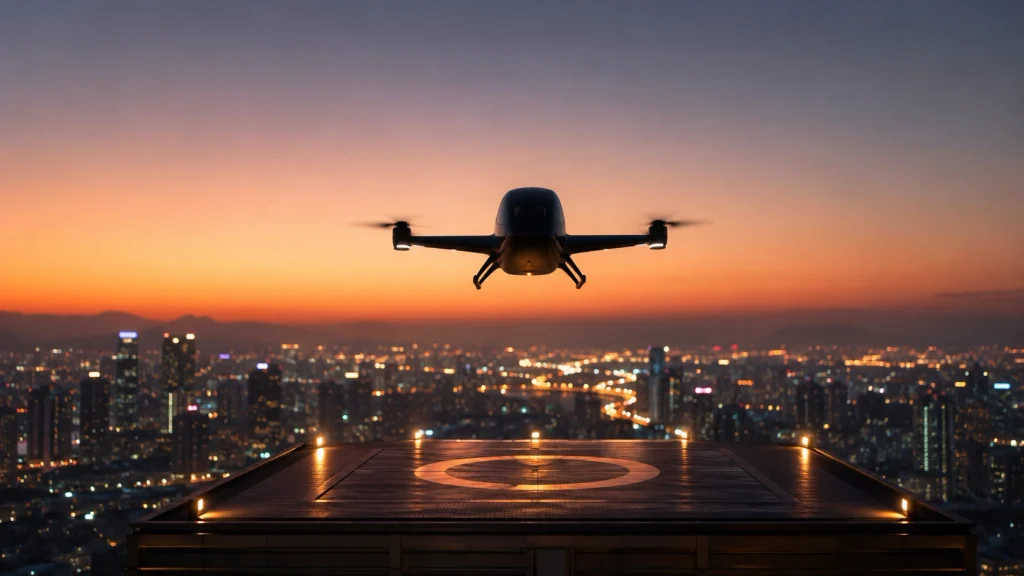
The flying car has been a symbol of “the future” for nearly a hundred years, appearing in films, cartoons, and magazine covers, all promising a world where traffic jams would become a thing of the past. That future hasn’t arrived quite as quickly as early promoters imagined, but flying car technology — now more accurately known as electric vertical takeoff and landing aircraft, or eVTOL — has advanced from science fiction into actual prototypes and early commercial flights.
This guide explains what flying car technology actually involves, how it works, and just how close this long-anticipated technology really is to becoming a reality.
What “Flying Car” Really Means Today
When most people picture a flying car, they imagine a vehicle that drives along the street and then somehow lifts into the air. In reality, most current development centers around a somewhat different concept: electric vertical takeoff and landing aircraft, designed to take off and land vertically like a helicopter, without needing a traditional runway.
These are more accurately thought of as a new class of small, personal aircraft than as cars that happen to fly. Most current designs aren’t intended for road travel between cities, but for point-to-point, short-range air travel between designated takeoff and landing sites, typically within or near urban areas.
How eVTOL Aircraft Actually Work
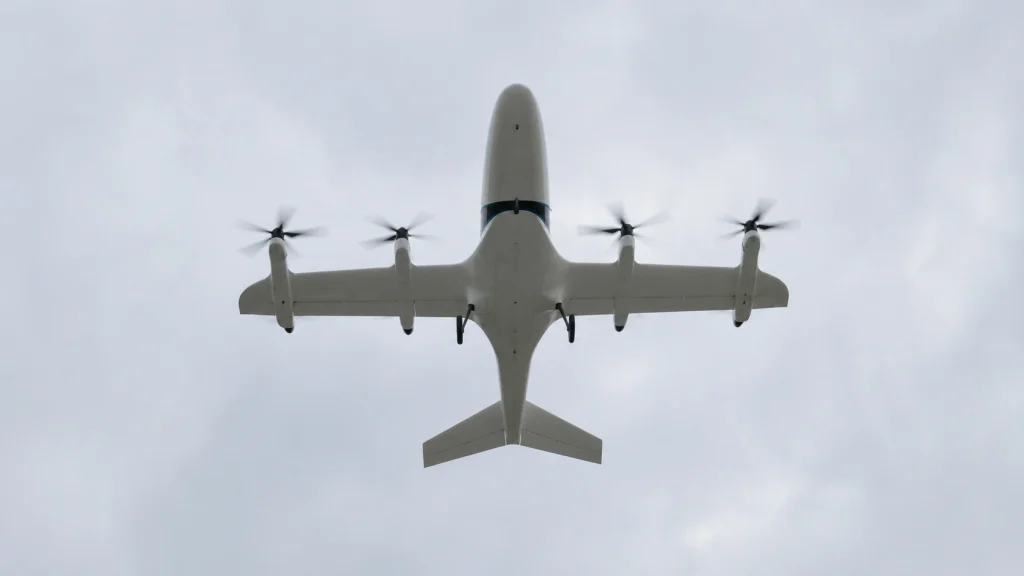
eVTOLs differ from traditional airplanes in that they don’t need to build up enough forward speed to lift off the ground. Instead, they’re designed with multiple electric rotors, similar to a drone, that lift them vertically. Once airborne, many of these aircraft transition into more conventional forward flight, using a combination of rotors and small wings to fly more efficiently over greater distances than vertical flight alone would allow.
This hybrid mode of operation is one of the more ambitious engineering challenges eVTOLs must overcome — the aircraft needs to fly effectively in both modes without adding excessive weight, complexity, or inefficiency.
Why Electric Power Is So Central to This Technology
Electric propulsion plays a key role in making modern flying car concepts possible in ways traditional helicopter technology never could. Electric motors are mechanically much easier to maintain than combustion engines and offer more precise, responsive control — an especially important factor for aircraft that need to perform safe vertical takeoffs and landings.
The use of multiple smaller rotors also provides an important safety benefit: if one rotor fails, the rest of the aircraft can typically continue flying relatively safely, something traditional single-rotor helicopter designs generally can’t offer in the same way.
The Remaining Challenges Are More Than Just Technical
Despite significant progress, several legitimate technical hurdles continue to affect how quickly flying car technology moves from prototype to practical, everyday use.
One of the biggest challenges involves batteries themselves. Current battery energy density limits how far these aircraft can practically fly on a single charge, and battery weight must be carefully balanced against overall aircraft capability. Noise is another genuine concern — multiple rotors can generate significant noise, an important factor for any technology intended for regular use in or near densely populated urban areas.
Air traffic management poses another significant challenge, one that goes well beyond the aircraft’s technology itself. Entirely new air traffic control systems and regulatory frameworks are needed to safely manage potentially large numbers of small aircraft flying at low altitudes within busy urban airspace — a far more complex undertaking than the systems and regulations governing standard commercial and personal aviation today.
Weather sensitivity is another genuine, real-world factor for these aircraft. Because they’re lighter and rely on multiple smaller rotors rather than the more powerful engineering found in larger traditional aircraft, conditions like wind and rain are more likely to affect operational reliability and the safety margins regulators will require before approving these aircraft for widespread commercial passenger use.
Who Is Actually Developing This Technology?
Flying car and eVTOL development isn’t confined to a single company or country — a range of established aerospace companies, automotive manufacturers, and dedicated startups are all pursuing different approaches. Some projects focus on short-distance, city-level air taxi services designed to move passengers across relatively short ranges significantly faster than conventional ground transport within dense urban environments.
Other development efforts focus more specifically on personal-use aircraft rather than commercial passenger services. This diversity of approaches reflects genuine uncertainty about which particular business model and use case will ultimately prove most commercially and practically viable, even as the underlying core technology continues to mature.
This variety extends to individual engineering designs as well. Some companies favor designs combining fixed wings with vertical lift rotors, which are useful for longer flights where efficiency per distance traveled matters more than mechanical simplicity and reliability. This kind of design diversity is fairly typical of emerging technologies, before real-world use and market demand eventually clarify which specific designs work best for which use cases.
The Regulatory Challenges Facing Flying Car Technology
Beyond the technical engineering challenges, flying car technology also faces significant regulatory hurdles before it can become widely available. For this new category of aircraft, aviation authorities in different countries will need to develop and formally approve entirely new safety certification standards — a process that will take time to ensure these aircraft can operate safely, particularly in densely populated areas.
Beyond individual aircraft certification, regulators must also address questions such as what licensing pilots will need, where landing and takeoff facilities should be located, and how these new aircraft will safely share existing airspace already occupied by traditional aircraft, helicopters, and drones. Alongside the more widely publicized technical engineering advances, this regulatory groundwork represents a genuinely necessary, if less glamorous, piece of the puzzle that must be completed before flying cars can become an everyday reality.
From Science Fiction to Reality: How Close Is Flying Car Technology?
Multiple eVTOL companies have already conducted flight testing, and some are actively pursuing aviation safety certification along with limited commercial use. That said, the general industry consensus is that flying car technology isn’t likely to become a common personal vehicle owned and operated by the average consumer anytime soon. Instead, it’s expected to emerge first as a niche commercial application, such as urban air taxi services, in select cities.
Cost remains a genuine practical concern at this early stage. Even once the underlying technology is fully certified and operationally proven, initial commercial eVTOL services are widely expected to be significantly more expensive than ground transportation, and making them broadly, economically accessible will likely take considerable additional time.
Common Misconceptions About Flying Car Technology
Several misunderstandings about flying car technology persist, many of them significantly overstating how close the technology is to everyday, mass-market availability.
One common misconception is that flying cars will soon replace regular cars for everyday commuting and driving. In practice, most current development focuses on aircraft designed for point-to-point air transport between known locations, rather than vehicles meant to also drive along ordinary roads. Another false belief is that flying car technology remains purely theoretical or experimental. In reality, many companies have already conducted substantial real-world flight testing, and some are actively pursuing formal aviation certification for actual commercial flights. There’s also a common assumption that flying cars will be immediately accessible and affordable to the general public once available. In reality, the first commercial vehicles are expected to be priced closer to premium transportation services than everyday car ownership.

Final Thoughts
Today, flying car technology — more accurately known as electric vertical takeoff and landing aircraft — has moved well beyond science fiction into tested prototypes and early, limited commercial development. While the technology remains very much in its developmental stage and faces numerous genuine real-world hurdles, it continues to evolve in a promising direction, bringing this long-anticipated concept closer to reality than ever before.
Flying car technology as it exists today looks quite different from the popular, sometimes wildly optimistic predictions of decades past, offering a far more accurate and grounded picture of where this genuinely intriguing technology currently stands, and where it’s likely headed next.
Frequently Asked Questions
Are flying cars just regular cars that happen to fly?
Not typically. Most current development focuses on electric VTOL aircraft designed for point-to-point air travel, rather than vehicles also intended to drive on ordinary roads.
How do eVTOLs take off without a runway?
They work on a concept similar to drones, using multiple electric rotors to lift off vertically before transitioning into more efficient horizontal flight for longer distances.
What are the biggest remaining challenges for flying car technology?
Key challenges include limited flight range due to current battery technology, managing noise in urban environments, and developing entirely new air traffic management systems and safety regulations.
Are people using flying cars today?
Not widely yet. While extensive flight testing has occurred, widespread personal ownership isn’t expected anytime soon — most experts anticipate the first commercial use will take the form of limited urban air taxi services.
Will flying cars be affordable for the average consumer once available?
Not initially. Early commercial eVTOL services are expected to be priced significantly higher, closer to premium transportation services than everyday personal transportation.