Feel Confident: Metaverse Misconceptions Debunked

When it comes to the metaverse, there’s a certain type of eye-roll that happens. Perhaps it was due to a sleek tech company announcement that seemed more like marketing than reality. Perhaps it’s a headline about virtual worlds that failed to materialize. Or perhaps it’s simply the nagging sensation that the entire world understands this idea except you.
The good news is, there’s no actual blame to place on yourself for the confusion. From tech enthusiasts to industry insiders, there’s been a lot of talk, jargon, and conflicting forecasts about what the metaverse actually is, so much so that many people in the tech world aren’t even sure what it means. You don’t have to be a virtual reality expert or have a huge budget to understand the fundamentals and separate fact from fiction.
Let’s take a closer look at the metaverse, dispel some of the myths, and share some affordable ways to check it out yourself if you’re interested.

What the Metaverse Actually Means
The metaverse is essentially any virtual environment or world that is linked and connected, where users interact, socialize, work, or play through avatars, accessed via a headset, phone, or computer. Rather than thinking of it as one website, think of it as a concept similar to the internet, which isn’t one website but a vast network of connected sites.
Some metaverse experiences are dedicated to gaming and socializing. Others dedicate resources to virtual meetings, ecommerce, or collaborative creative environments. What’s common across all of them is more of a broad idea: a persistent, shared digital environment where people can move between spaces and interact within them, rather than a single app that you simply open and close.
This fairly broad definition helps explain why the metaverse feels so baffling. People often use the same word to describe very different things.
The Metaverse Is One Single Place
A common misconception is thinking of the metaverse as a single “virtual universe” where everyone logs into the same environment, like a virtual city. In practice, the metaverse is more of a suite of independent platforms and experiences developed by various companies, some of which aren’t even interoperable with one another.
It’s similar to thinking of social media as one app rather than a family of separate, distinct apps. Currently, each metaverse-like platform has its own user base, rules, and virtual world, and most don’t communicate with one another when it comes to data or avatars.
This misconception often comes from marketing materials that include sleek, streamlined concept videos, which make the technology seem more consolidated than it actually is in the real world.
You Need Expensive VR Equipment to Participate
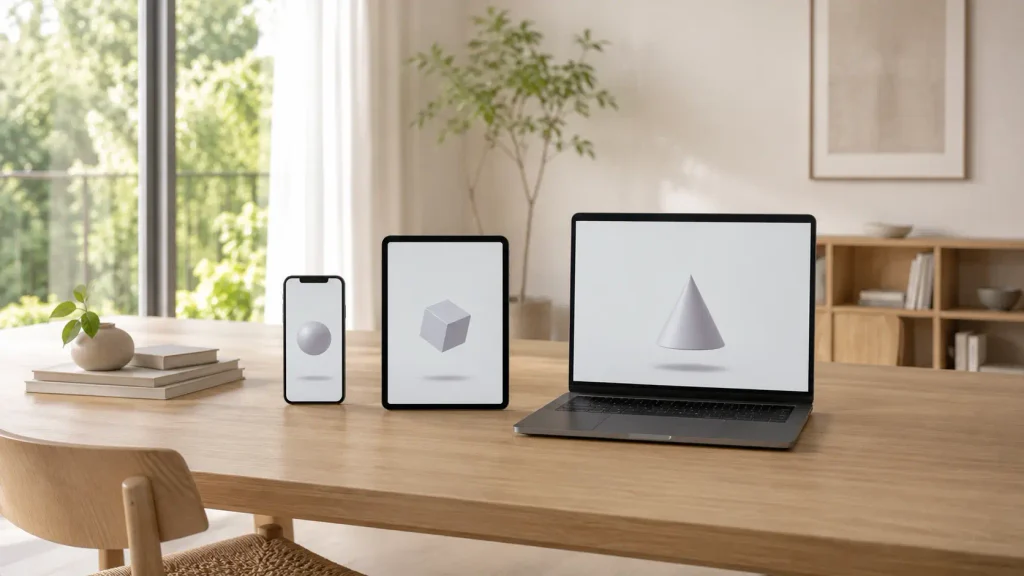
Many people think you must own an expensive VR headset to enter the metaverse. Although headsets can provide a more immersive experience, they aren’t the only way to access these spaces. Many platforms that support the metaverse format can be accessed using a normal smartphone, tablet, or web browser, with no special equipment required.
That means you’re likely able to experience most of these platforms without spending a penny, using a device you already own. Immersive VR headsets are just one option among several, not a mandatory requirement.
If you’re tempted to invest in a headset one day, you don’t have to purchase one at full price right away. Retailers often run discounts, promotions, or bundle deals on VR gear, particularly around shopping holidays like Black Friday, so you may be better off waiting for a special offer than buying impulsively just to try it out.
The Metaverse Is Just for Gamers
Many people assume the metaverse is just for gamers, since gaming platforms were among the first spaces to adopt metaverse-style features. In reality, it’s being used in a much broader way than just for games.
Businesses use virtual rooms to hold meetings and collaborate with others. Teachers incorporate them into interactive learning activities and virtual field trips. Retailers use them to give customers a virtual shopping experience in three-dimensional showrooms. Artists and musicians have even staged virtual concerts and exhibitions in these spaces.
Understanding this broader range of applications makes the concept feel more like a shift in how people interact with technology, rather than just a passing gaming trend.
The Metaverse Is Brand New Technology
Given the recent surge of interest in the metaverse, driven by so many headlines, it’s easy to assume it’s a totally new phenomenon from recent years. In reality, many of its fundamental concepts, such as virtual avatars, shared online spaces, and 3D digital environments, have been around for decades, appearing in early online games and virtual world platforms.
What’s changed more recently is the level of investment, marketing effort, and technology development behind these concepts. The underlying idea isn’t new. What’s new is the scale at which these experiences are becoming more refined and more widely available.
Knowing this history helps put the current wave of metaverse hype into perspective. It’s not a totally new idea, but rather an enhancement of what already exists.
The Metaverse Requires You to Spend Real Money
One common misconception about the metaverse is that you must continually buy and sell virtual property, digital items, or in-platform currency. While some platforms do offer the option to buy these things, there’s no need to do so in order to explore or enjoy these spaces.
Several metaverse-style platforms are free to use, with optional paid upgrades, much like free-to-play video games. There’s no need to spend a penny to explore, connect, and take part in plenty of activities. If you do decide you want an optional feature or item, it’s worth checking for platform promotions, seasonal offers, or bundle deals rather than paying full price.
Approaching it the same way you would any other purchase also makes it easier to avoid irrational spending driven by hype.
Why Metaverse Misconceptions Spread So Easily
Much of the confusion surrounding the metaverse comes down to inconsistent messaging. The term gets applied to a wide variety of different products by different companies, so the public hears “metaverse” used for video games, office meeting software, and virtual concerts, without a clear way to tie them together.
This is further compounded by media coverage, which tends to amplify the confusion since headlines are more likely to focus on bold predictions or dramatic failures than on solid, grounded explanations. Without a shared, common understanding of the metaverse, people either overestimate what it is or dismiss it outright as another overhyped fad.
Once you recognize this pattern, it becomes easier to stay skeptical and wait for more information rather than jumping to conclusions the moment the word “metaverse” comes up.
Budget-Friendly Ways to Explore the Metaverse Yourself
For those curious to see what all the buzz is about, there are plenty of inexpensive, and even free, ways to explore metaverse-like platforms. Look for free, browser-based or app-based platforms that don’t require special equipment. A number of popular social and gaming platforms already include metaverse-style features that are free to download and use.
Be sure to try a free trial before signing up for any paid account or premium feature. Most platforms let you try out the core experience without paying anything, with the option to pay for extras only if you choose to.
For those who want to experience a VR headset, it may be worth looking into refurbished or open-box options from trusted retailers, since these can offer substantial discounts compared to buying new. It’s also worth keeping an eye on seasonal sales, as the cost of VR gear tends to drop noticeably during certain shopping seasons throughout the year.
Educate yourself for free using available resources. A number of tech-focused YouTube channels and podcasts explain what’s happening in the metaverse without the hype-driven language.
Last but not least, check your local library. In some areas, libraries offer VR equipment or educational VR programming for free, allowing people to try it firsthand before deciding whether it’s something worth exploring further on their own.
Feeling Confident Instead of Confused
Once you understand that the metaverse isn’t actually a single world, but rather a range of experiences across numerous platforms, the confusing headlines start to make a lot more sense. You’ll learn to tell hype apart from reality, rather than assuming you’re missing some deeper technical understanding.
This shift in perspective is often the most important step toward feeling confident discussing the topic. You don’t need to predict the future of technology to have an informed opinion. You just need a clear, accurate picture of what’s actually happening right now.

Final Thoughts
The metaverse isn’t a single mysterious place, a gaming-only trend, or something that requires expensive equipment and constant spending. It’s a broad, ever-changing concept referring to shared digital environments, many of which are far more accessible and far less intimidating than the word itself suggests.
Best of all, there’s no need to make a huge investment to explore it. Curiosity remains one of the cheapest ways to engage with new technology, from free platforms to free trials, refurbished equipment deals, and free learning resources. Having a confident, informed opinion isn’t about spending more. It’s about seeking out clear information rather than chasing every headline.
So the next time the metaverse comes up in conversation, you won’t have to nod along or change the subject. You’ll actually know what people are talking about, and you didn’t have to spend a ton of money or wear a headset to get there.
Frequently Asked Questions
Is the metaverse the same thing as virtual reality?
Not exactly. There are several ways to enter metaverse spaces, and virtual reality is one of them, but many can be accessed without VR equipment through a regular phone, tablet, or computer.
Is there any cost involved in using metaverse platforms?
No. These platforms are often free to use, though they may offer paid extras that aren’t necessary to explore or enjoy the experience.
Why are there so many different definitions of the metaverse?
Since it’s a general concept rather than a single product, different companies apply it to different platforms and technologies, which adds to the confusion among the public.
Is the metaverse an entirely new technology?
Not really. Some of its fundamental concepts, including virtual avatars and shared virtual environments, have existed for decades. What’s changed recently is the level of investment and attention given to them.
How can you experience the metaverse without spending a lot of money?
Start with a free, browser-based or app-based platform on a device you already own, before considering paid upgrades or VR gear.