The Best New Tech in the Virtual Reality (VR) Future

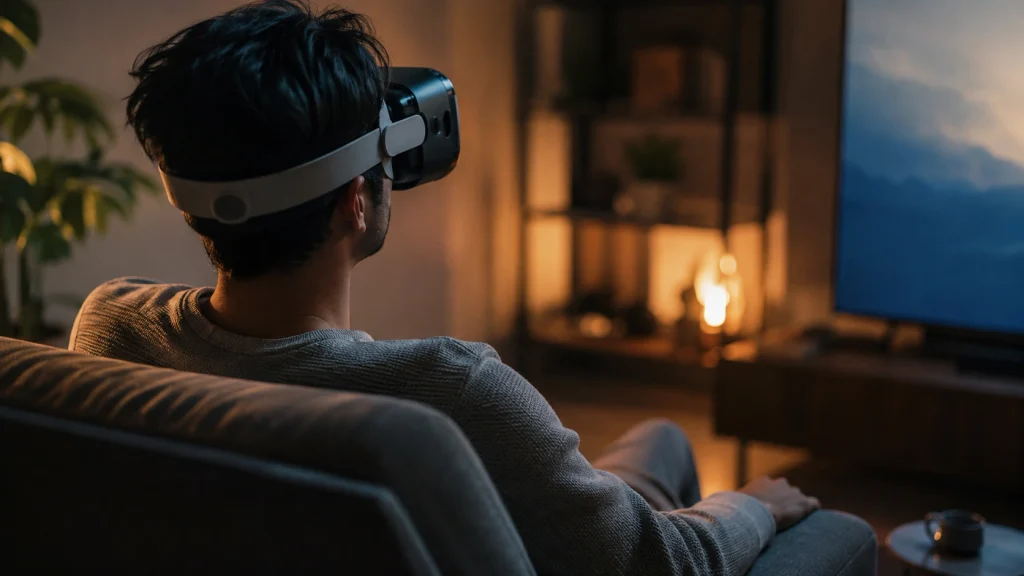
VR was once a novelty — cumbersome headsets, motion sickness, and moments of enjoyment that faded before your eyes. All of that is rapidly changing. Headsets are getting lighter, more comfortable and far more capable, and the practical applications for VR technology are growing well beyond the realm of gaming and entertainment.
This guide explores the direction virtual reality technology is really heading, the trends propelling its rapid evolution, and how it’s poised to change how we live, work and play over the coming years.
What Is Virtual Reality?
Virtual reality is a technology that creates a fully immersive, computer-generated environment — one that replaces a person’s surroundings completely, or at least within their field of view. This typically involves a headset with screens positioned directly in front of the eyes, along with sensors that track head and body movement so the virtual environment can respond naturally as users look around and move.
This is one of the key distinctions between VR and similar technologies such as augmented reality (AR), which overlays virtual content onto the real world rather than replacing it. While VR is still a rapidly evolving technology, its most defining characteristic remains the complete, full-body immersion it provides.
Why VR Technology Is Improving So Fast
The virtual reality experience is becoming more comfortable, realistic and accessible thanks to a number of converging factors driving advances in both hardware and software.
VR display technology continues to improve rapidly, with higher-resolution screens minimizing the “screen door effect” that once gave displays a pixelated appearance up close. Processing power has also improved significantly, allowing headsets to render much more detail and realism without needing a separate, powerful computer connection. Meanwhile, tracking systems have become far more precise, making movement within virtual environments smoother and more natural — and significantly reducing the motion sickness common in earlier generations.
Together, these enhancements are narrowing the gap between virtual reality experiences and real sensory and visual experiences, helping VR evolve from a novelty into a genuinely valuable tool.
Standalone Headsets Are Changing the Game
One of the biggest recent shifts in VR technology has been the rise of standalone headsets, which require no separate gaming console or powerful PC to operate. Earlier commercial VR systems were tethered to a separate computer, which significantly limited their practicality.
Standalone headsets pack all necessary processing power directly into the device, allowing users to simply put one on and enter a virtual world immediately, without complex setup or extra equipment. This has lowered the barrier to entry for everyday users, making VR feel more like using a smartphone or tablet than assembling a dedicated gaming rig.
Mixed Reality: Merging the Virtual and Real Worlds
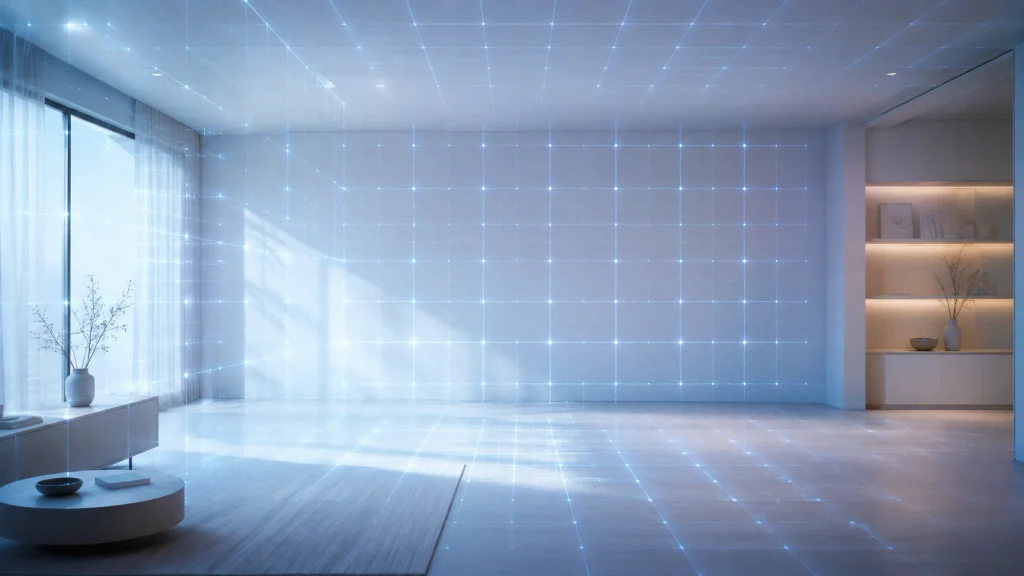
In contrast to full VR, a growing intermediate approach known as “mixed reality” blends virtual elements with a real-time view of the user’s physical environment. Using external cameras built into the headset, mixed reality systems let users see their actual surroundings while virtual objects and interfaces appear seamlessly integrated into that environment.
This isn’t just about fun and games — the approach offers real practical benefits. A user wearing a mixed reality headset at work, for example, can interact with virtual screens or 3D models while still seeing their actual desk, safely moving around their room, or interacting with people nearby without restriction.
VR Is Moving Beyond Gaming and Entertainment
While gaming remains perhaps the most well-known VR use case, its practical applications have expanded to cover many other fields.
In education and training, VR can simulate complex or high-stakes scenarios without real-world risk — medical students can practice surgery, and employees can train for hazardous environments without any actual danger. VR has also found applications in healthcare, including pain management, exposure therapy and physical rehabilitation, offering environments that would be difficult or impractical to reproduce in real life.
Professionally, VR and mixed reality are gaining traction for virtual meetings and collaboration, allowing teams to connect within a shared virtual space rather than through traditional video calls. In architecture and design, VR is being used to let clients walk through architectural designs before construction begins, identifying potential building issues months earlier than a blueprint or rendering could reveal.
Haptic Feedback and the Role of Physical Sensation
One actively developing area is haptic feedback, which aims to recreate real-world physical sensations within virtual reality. While early VR controllers offered only rudimentary haptic feedback, newer devices — including gloves and even full-body suits — feature increasingly sophisticated haptic technology capable of simulating touch, resistance and even changes in temperature.
This technology addresses one of VR’s remaining challenges: the inability to physically feel what you see. As haptic technology continues to advance, virtual experiences are becoming more convincing, which is especially valuable for training simulations, where physical feedback can meaningfully improve learning outcomes.
Social and Collaborative VR Spaces
Social VR is another rapidly growing area, centered on people interacting with one another within a shared virtual space rather than passively watching pre-recorded content. Through customizable 3D avatars, users can attend social events, join virtual gatherings, or collaborate on shared projects — all without relying on a flat-screen interface.
Early social VR experiences were often more novelty than functional, but steady improvements in avatar realism, voice integration and environment design have made these spaces feel increasingly real and genuinely useful for casual interaction and collaboration.
This shift is particularly meaningful for remote and distributed teams. Rather than interacting through small rectangular video feeds on a flat call, colleagues can gather in a shared 3D virtual space, work together around virtual whiteboards, examine 3D models, or take a guided walkthrough of a shared environment. Early adopters often note that being able to talk within the same VR environment — rather than across separate screens — is one of the more meaningful differences between VR-based collaboration and conventional video conferencing tools.
Common Misconceptions About Virtual Reality
Several misconceptions about VR technology persist, most of them rooted in an outdated view of the technology.
One common myth is that VR headsets remain bulky, uncomfortable, and likely to cause motion sickness. While earlier headsets did have these issues, modern devices are significantly lighter and more comfortable, and improved tracking technology means most users no longer experience motion sickness.
Another misconception is that VR is purely a gaming technology with little use elsewhere. In reality, VR has expanded well beyond entertainment and is now used across healthcare, education, professional training, architecture and remote collaboration.
A third misconception is that VR remains complex and expensive to set up, requiring external computers and sensors. Standalone headsets have largely eliminated this barrier, making VR far more accessible to the average consumer.
What to Expect From VR Technology in the Near Future
Several trends are expected to continue shaping VR’s development in the near future. The size, weight and comfort of headsets — one of the biggest obstacles to longer VR sessions — are likely to keep improving. Display technology is also expected to advance further, continuing to blur the line between virtual worlds and reality.
There’s also strong potential for more dynamic, personalized experiences as VR increasingly integrates with AI, allowing virtual environments to respond more intelligently and naturally to individual user behavior rather than offering a one-size-fits-all experience. As mixed reality technology continues to evolve alongside VR, the boundary between fully virtual and grounded reality experiences is likely to become more flexible, letting users move seamlessly between different levels of immersion throughout an experience.
Battery life and comfort during extended use remain active areas of development as well. As headsets continue getting smaller and lighter, manufacturers are also working to extend the amount of time a device can be used comfortably in a single session.

Final Thoughts
Virtual reality today is no longer just a novelty or a promising future technology — it has progressed well beyond that stage. Continued improvements in display quality, computing power, standalone hardware and haptic feedback are helping VR become a genuinely useful tool across game development, education, healthcare, professional training and remote collaboration.
As the technology continues to evolve, virtual reality is on track to become a seamless way for people to learn, work and interact with one another — offering a level of immersion that feels less like science fiction and more like an everyday household technology.
Frequently Asked Questions
What’s the difference between virtual reality and augmented reality?
Virtual reality completely replaces a user’s environment with a computer-generated one, while augmented reality blends digital elements into a view of the real world.
Does VR technology still cause motion sickness?
Far less than earlier generations. Improved tracking technology and higher-resolution displays have significantly reduced motion sickness compared to early VR systems.
Is VR only used for gaming?
No. VR is increasingly used beyond entertainment, including in healthcare, education, professional training, architecture and remote collaboration.
What are standalone VR headsets?
Standalone headsets contain all the processing power needed to run VR experiences on their own, without requiring a separate gaming console or computer.
What role could AI play in the future of VR?
As AI becomes more integrated with VR, virtual environments are expected to become more intelligent and responsive to user behavior, enabling more dynamic and personalized experiences.